
3 Innovative Materials and Trends Revolutionizing Interior Design

Commercial spaces today have to do more than just catch the eye — they need to be smart, sustainable, and emotionally engaging. Clients are looking for interiors that offer comfort, tell a brand’s story, and deliver real performance. Whether it’s a restaurant, retail store, office, or hotel, expectations are higher than ever — and interior design materials are on the front lines of this evolution. Here’s a look at just a few innovative materials and trends that are reshaping how designers create spaces for 2025 and beyond.

1. Smart Interior Surfaces That Respond and Adapt
Commercial interiors are moving into a new era, where materials aren’t just decorative — they’re interactive and high-performing. Surfaces are no longer static; they’re designed to react, adapt, and even communicate with their surroundings.
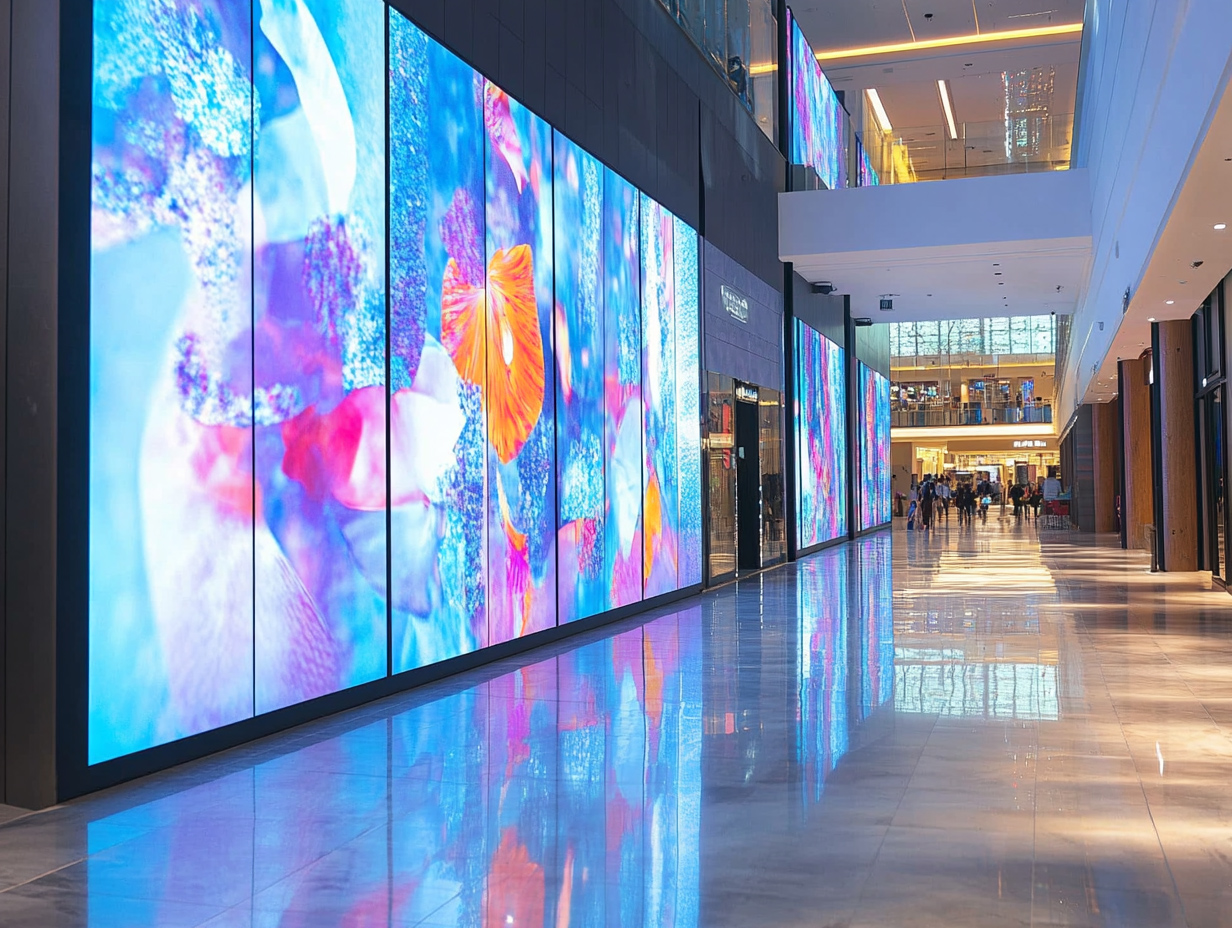
One standout innovation is light-reactive wall coverings. These materials, embedded with micro-LEDs or e-ink technology, can change patterns or color based on lighting, the time of day, or even user interaction. They’re becoming a favorite in retail and hospitality spaces for creating immersive, programmable branding experiences — without relying on traditional screens.
Touch-responsive furniture finishes and motion-activated partitions are also making waves, especially in flexible office designs and tech-forward cafés. A simple gesture can now reshape a space, making interiors feel more alive, intuitive, and personal. Beyond looking impressive, these smart surfaces cut down on the need for extra systems and make every interaction with the space more meaningful.
2. Eco-Friendly, Regenerative, and Bio-Based Interior Materials
Sustainability is no longer just a nice-to-have — it’s becoming a driving force behind material choices in interior design. More and more, designers are turning to products that don’t just reduce harm but actively support a regenerative future.
Some of the most exciting options include mycelium acoustic panels, hemp-based drywall alternatives, and recycled PET felt wall claddings. These materials don’t just check the eco-friendly box — they offer serious performance too, from excellent sound absorption and fire resistance to striking visual appeal, all while being fully biodegradable or recyclable.
Another fast-growing category is carbon-sequestering interior tiles and panels, made with algae-based bio-resins or waste aggregates. These finishes bring organic textures and natural variation to a space, while also helping to lower a project’s carbon footprint — transforming walls, ceilings, and fixtures into active players in climate action.

3. Energy Efficiency Through Embedded Interior Technologies
Energy saving technology isn’t just about mechanical systems anymore — it’s being built right into the materials and interiors themselves. A new generation of design strategies integrates energy intelligence directly into ceilings, walls, and even furniture.
One standout is the use of Phase Change Materials (PCMs) in ceiling panels and wall finishes. These materials can store and release thermal energy and help regulate indoor temperatures naturally — cutting down on heating and cooling needs without relying on visible equipment.
AI-integrated lighting systems are also changing the game. Built into ceiling baffles or decorative pendants, they use real-time occupancy and daylight sensing to adjust brightness and color temperature automatically, conserving energy while creating more comfortable, circadian-friendly environments.
In client lounges, restrooms, and wellness spaces, designers are embracing electrochromic film-backed mirrors and partitions. With just a touch, these surfaces adjust their opacity, offering privacy, light control, and energy savings — all while keeping the aesthetic clean and contemporary.

4. Designing for a Smarter, Greener Interior Future
The next wave of commercial interiors is being driven by materials that work harder, feel better, and do more. They help cut energy use, lower carbon emissions, and create richer, more memorable experiences.
Whether it’s a boutique retail store, a cutting-edge coworking space, or a multi-sensory dessert café, designers now have a growing lineup of materials that blend beauty, intelligence, and sustainability in exciting new ways.
As innovative materials and trends continue to push the boundaries where science, wellness, and environmental design meet, the designers who embrace these changes early will be the ones shaping spaces that are not just stylish — but also smarter, more responsible, and impossible to forget.


Also, take a look at the “Branding By Interior” e-book, the only book written on this subject at this time. It brings insight into how you can turn your business into a market-dominating competitor by using human cognitive responses.
See our Small Store Design Extravaganza: Commercial Interior Design and Branding 01 book about branding small businesses from logo design to construction, with colorful images, offering insightful explanations every step of the way.