
5 Tips for Improving Your Restaurant Kitchen Design
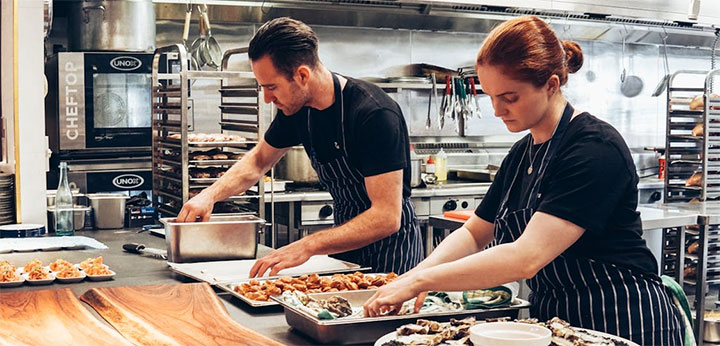
Kitchen design can make or break a food business. Starting fresh or just giving your space a refresh? Focus on making things efficient, safe, and a bit more creative. The right setup helps your team move faster, stay organized, and serve up better food — which means happier customers. Here are five practical tips to improve your restaurant kitchen design and keep things running smoothly.

1. Make Your Kitchen Flow Better with a Smart Layout
A solid kitchen layout is the backbone of any well-functioning restaurant. To keep everything moving efficiently, try breaking the space into clear zones — one for prep, one for cooking, one for plating, and another for cleaning. It cuts down on chaos and helps your team stay focused.
Think about ways to reduce unnecessary steps. You might use the classic kitchen triangle (cooktop, sink, fridge within easy reach), or go with a straight-line setup if your space is tight. Whatever the shape, the goal of your restaurant kitchen design is the same: better flow, less back-and-forth, and a kitchen that supports the pace of service.

2. Choose Equipment That Works as Hard as You Do
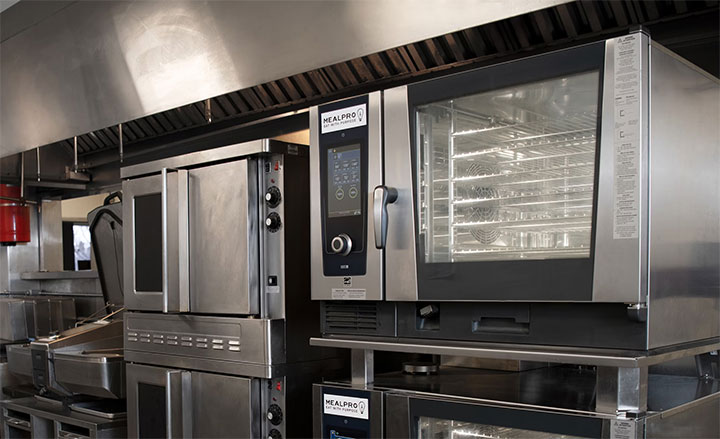
Buying kitchen gear can feel exciting — until you see the price tags. But investing in high-quality, energy-efficient equipment is totally worth it. Commercial-grade ovens, fridges, and dishwashers are built to handle the daily grind and last much longer than standard options.
Go for equipment that’s easy to clean and simple to service — that’ll save you headaches down the road. Features like digital controls and energy certifications can also help keep your utility bills in check. Sure, it might add to your kitchen remodel costs upfront, but the payoff in reliability and performance is well worth it.
3. Keep It Safe and Clean
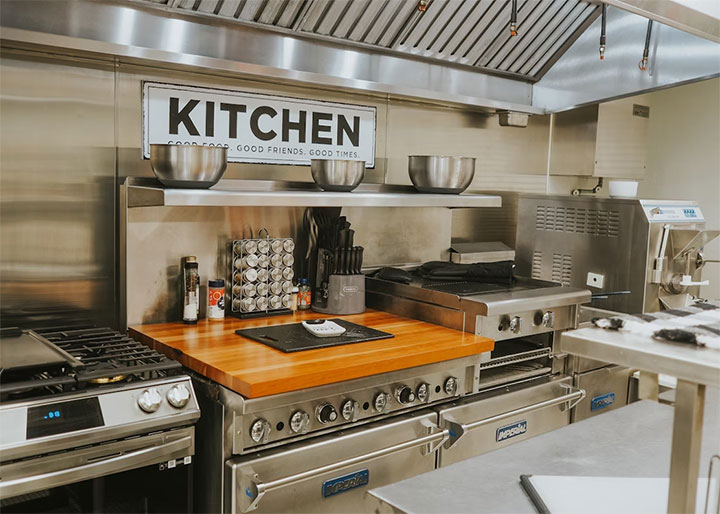
A clean, safe kitchen isn’t just about following health codes — it also protects your team and shows customers you take things seriously. Start with a good ventilation system that clears out heat and smoke so your kitchen stays comfortable and breathable.
Think about the basics, too: non-slip floors, easy-to-reach fire extinguishers, and clearly marked safety exits can make a big difference in preventing accidents. Go for stainless steel surfaces (they’re super easy to clean), and make sure you’ve got plenty of hand wash stations throughout the space. When hygiene is simple and accessible, it’s easier for your team to stick to it, prevent contamination, and avoid unwanted surprises.
4. Get Smart About Storage
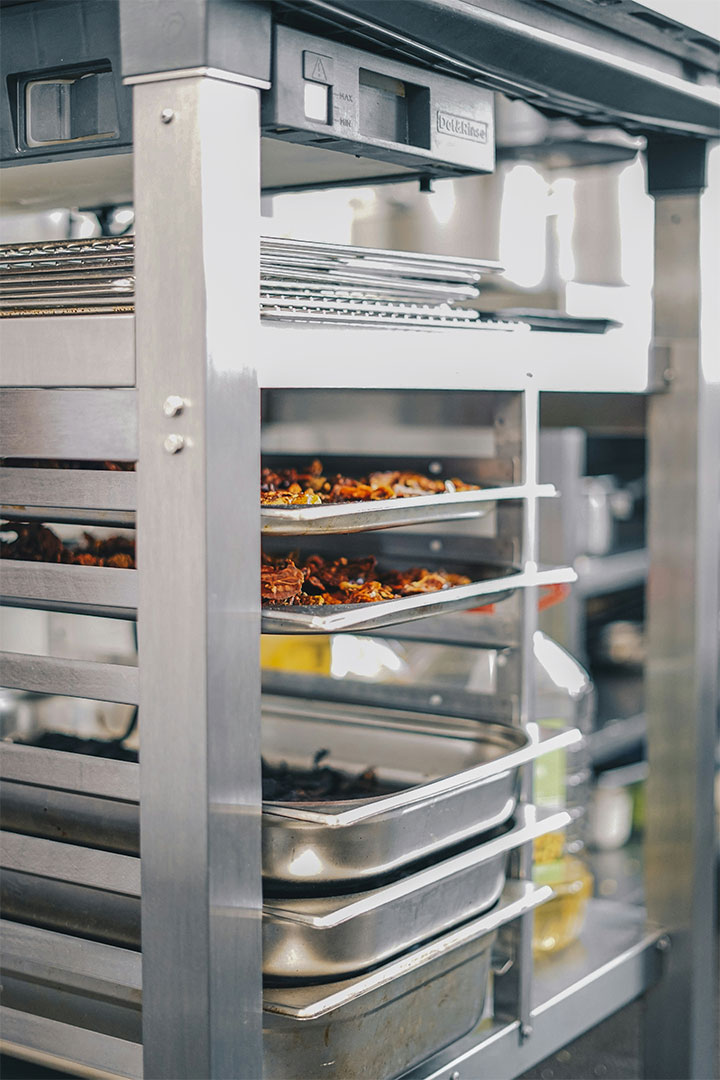
Storage might not be the first thing you think about, but it plays a big role in keeping your kitchen efficient. Use that vertical space — overhead racks and wall-mounted shelves are great for pans, utensils, and anything you need close by. Clear, labeled containers make it easy to keep both dry goods and perishables in order.
When working on your restaurant kitchen design, consider built-in drawers, under-counter fridges, and mobile storage units.They help keep things organized without taking up too much space. When your storage setup is neat and easy to use, prep gets faster and you waste less food, which is good news for your bottom line.
5. Let Tech Do Some of the Work
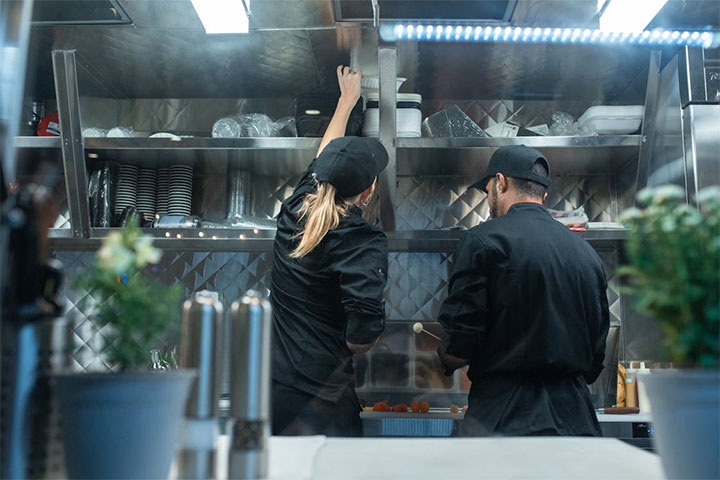
Kitchen tech these days can really change the game. Digital inventory tools, smart ovens, temperature-controlled storage, and kitchen display systems (KDS) all help you save time, stay consistent, and cut down on stress.
A KDS gets orders to the kitchen faster and clearer, so there’s less confusion and fewer mistakes. And things like touchless faucets and automatic sanitizers? They help you keep things clean without slowing anyone down — plus, they’re better for your team’s health.
Also, take a look at the “Branding By Interior” e-book, the only book written on this subject at this time. It brings insight into how you can turn your business into a market-dominating competitor by using human cognitive responses.
See our Small Store Design Extravaganza: Commercial Interior Design and Branding 01 book about branding small businesses from logo design to construction, with colorful images, offering insightful explanations every step of the way.