9 Popular Design Trends for Retail Stores

Store design plays a big role in grabbing people’s attention and making their shopping experience better. As shoppers get pickier, retailers have to keep things fresh and creative to stay appealing. More and more businesses are realizing that bold designs, fun interactions, and a strong sense of their brand can really make a store stand out.
Getting to know what customers like and how they shop is very important. This helps retailers rethink how their stores are laid out and how products are displayed. By bringing in design trends that today’s shoppers connect with, stores can attract more customers, increase sales, and build stronger brand loyalty.
Here are some popular design trends for retail stores.

Uptown Muse boutique store design by Mindful Design Consulting
1. Sustainable Design
More and more retailers are bringing eco-friendly ideas into their store designs. It’s a great way to show they are serious about sustainability and mindful shopping. A lot of them are using reclaimed materials for store fixtures and switching to energy-efficient lighting to help reduce their impact on the environment. Adding in natural elements like plants and earthy textures also helps create a warm, inviting space that shoppers love.
Sustainable design can also boost a brand’s image and reputation. People are more likely to support stores that care about environmental issues, which often leads to stronger connections and more loyal customers. So, making smart, eco-conscious design choices not only looks good, but also really speaks to today’s environmentally aware shoppers.

Camino Farms Market, Mission Valley, San Diego, by Mindful Design Consulting
2. Retail Digital Signage
Retail digital signage is changing how stores connect with customers. It simply means using digital screens—like TVs or monitors in-store—to display promotions, new products, or real-time updates about events happening in the store. With eye-catching visuals and modern displays, retailers can create a more inviting atmosphere that grabs attention and keeps shoppers in the loop.
One of the big benefits of digital signage is how easy it is to customize. Stores can switch up the messages depending on the time of day or the type of customers they are seeing. For example, they might highlight different products in the morning versus the evening, or tailor messages based on who is shopping. This kind of personalization helps the experience feel more relevant and engaging. It also helps guide people through the space and lets them know what is available, making the overall shopping trip a little smoother.

Beauty Bakerie cosmetics store by Mindful Design Consulting
3. Mixed-Use Spaces
Mixed-use spaces are becoming one of the big design trends in retail stores. These are places that blend shopping with things like dining, entertainment, and even art or events, all in one spot. By adding features like cafés, local art displays, or areas for live events, retailers can create more of a community vibe that makes people want to stick around longer.
This approach adds variety to the customer experience and helps bring in more foot traffic. When people know they can grab a coffee, check out a pop-up event, or just hang out—not just shop—they’re more likely to come back often. These spaces are flexible, so they can easily host different events or pop-up shops, keeping things fresh and interesting for returning visitors.

Sweet Life candy store and arcade game room by Mindful Design Consulting
4. Interactive Displays
As one of the growing design trends for retail stores, interactive displays help brands stand out in a world full of digital distractions. With so many digital distractions these days, interactive displays are a great way for retailers to grab shoppers’ attention and make the in-store experience more memorable. These can range from touchscreens that let people browse products to augmented reality features that bring a brand’s story to life in a more immersive way.
Bringing technology into store design not only captivates shoppers, but also helps them learn about the products. They can explore features and benefits, compare options, and learn more at their own pace, which can make them feel more confident about what they are buying. By adding interactive elements, retailers make the shopping experience more engaging, dynamic, and fun.

HPC dispensary by Mindful Design Consulting
5. Open Floor Plans
Retail store designs are moving towards open floor plans. These layouts remove barriers, allowing shoppers to move around freely and engage with products more naturally. Open spaces improve visibility and make it easier for customers to find their way around.
This design trend helps create a relaxed shopping atmosphere. Shoppers enjoy browsing without feeling cramped by cluttered aisles. Retailers also benefit, as open designs promote a sense of community and encourage collaboration among brands in shared areas.

Beauty Bakerie cosmetics store by Mindful Design Consulting
6. Unique Storefronts
First impressions start with the outside of the store. A unique and well-designed exterior can make people curious and draw them in. That’s why more retailers are using bold colors, creative shapes, and interesting lighting to help their storefronts stand out, especially in busy areas.
An attractive storefront doesn’t just bring in more foot traffic, it often gets shared online. Shoppers are more likely to take photos and post about stores that look cool or different, which acts as free promotion. Creative storefront designs give people a sense of the brand’s personality before they even step inside, setting the tone for what is to come.

Beauty Bakerie cosmetics store by Mindful Design Consulting
7. Storytelling
Retail spaces can do more than just show off products—they can tell a story about the brand. This happens through the design: the layout, the materials, the lighting, even the small details. For example, a beauty brand that focuses on natural ingredients might use soft lighting, greenery, and raw textures to reflect that. A tech brand might go for sleek lines, cool lighting, and interactive screens to show off its modern edge.
Even short-term spaces like pop-ups or event stands can do this. A setup that pulls in elements from a brand’s home country—like traditional shapes, cultural symbols, or local materials—can instantly give people a sense of where the brand comes from and what it’s all about.
When a space tells a clear story, people feel more connected. It makes the experience feel more personal, encourages them to explore, and leaves a stronger impression than just a bunch of products on shelves.

CBD store design concept by Mindful Design Consulting
8. Community Engagement
More retailers are starting to treat their stores as gathering places, not just places to shop. They are opening up their spaces to local artists, hosting events, and running workshops, all as a way to connect with people on a more personal level. This is a great way to build loyalty, strengthen the brand, and give something back to the community.
When a store feels like a space where people belong, they are more likely to come back. It creates a stronger connection between the brand and its customers. Designing with community in mind helps create a welcoming atmosphere, one that makes the store feel like part of everyday life, not just a stop along the way.

Scoops La Jolla ice-cream shop by Mindful Design Consulting
9. Phygital Retail Integragtion (Physical + Digital)
The line between online and in-store shopping is getting thinner, and that’s exactly where phygital comes in. It is about blending the physical and digital sides of retail to create one smooth, connected experience. Instead of choosing between the two, brands are starting to combine them in smart ways.
Think of things like virtual try-ons, digital price tags with extra info, or apps that send you in-store promos when you walk in. These kinds of tools help customers move between browsing online and shopping in person without hitting any roadblocks.
Done well, phygital design does not feel like added tech, but it just makes the experience better. Customers can do research, get personalized suggestions, or even finish a purchase right from their phone while they are standing in the store. And on the flip side, stores can use digital tools to keep things fresh, collect insights, and stay connected long after someone leaves.
It is all about making shopping feel easy, intuitive, and more personal, whether someone’s behind a screen or in front of a shelf.
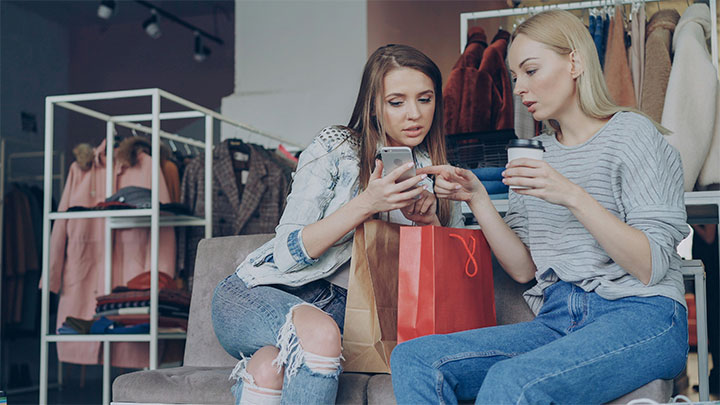
Design trends for retail stores: phygital integration
If you are thinking to open a new business or are in the process of rebranding and remodeling your existing business, contact us to get a free consultation from Mindful Design Consulting. Click HERE to price your project design.
Also, take a look at the “Branding By Interior” e-book, the only book written on this subject at this time. It brings insight into how you can turn your business into a market-dominating competitor by using human cognitive responses.
See our Small Store Design Extravaganza: Commercial Interior Design and Branding 01 book about branding small businesses from logo design to construction, with colorful images, offering insightful explanations every step of the way.