
Flavor Trends – How to Keep Your Menu Fresh and Appealing
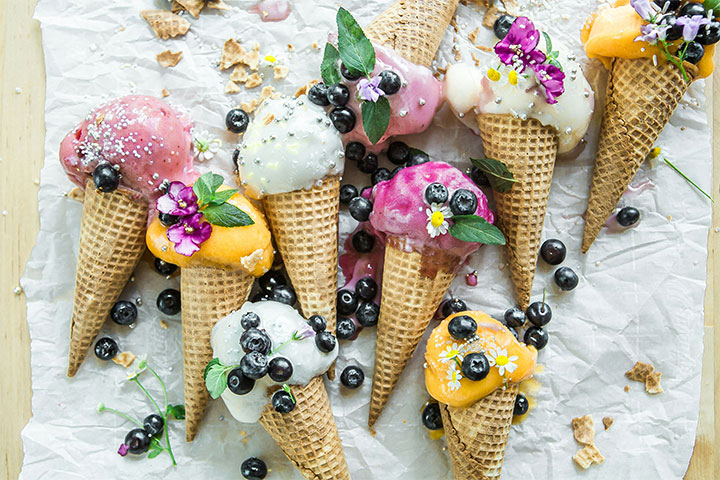
Flavor trends are always on the move, and keeping up with them can feel a little chaotic, even though exciting. Whether you’re running a cozy dessert shop or a full-service restaurant, updating your menu with popular and up-and-coming flavors is a smart way to spark curiosity, drive traffic, and keep customers coming back for more. Flavor trends are a great excuse to get creative, stay current, and give your menu that extra “wow” factor. The key is to strike a balance between novelty and familiarity—surprising customers just enough to get them talking and tasting.
Global Inspirations
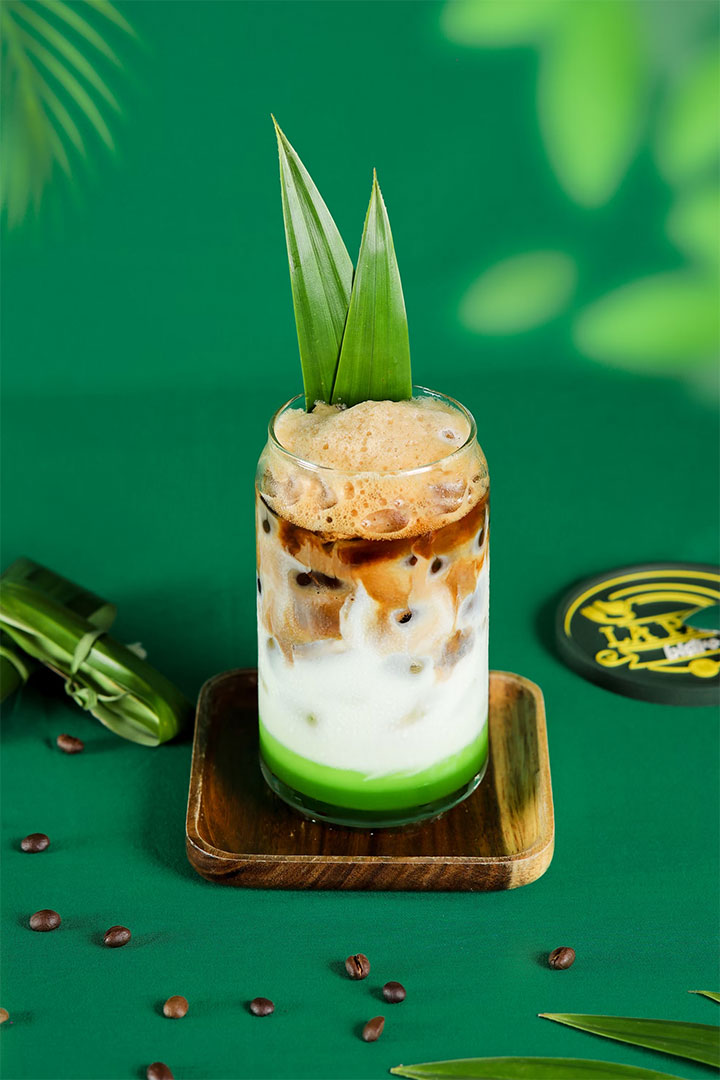
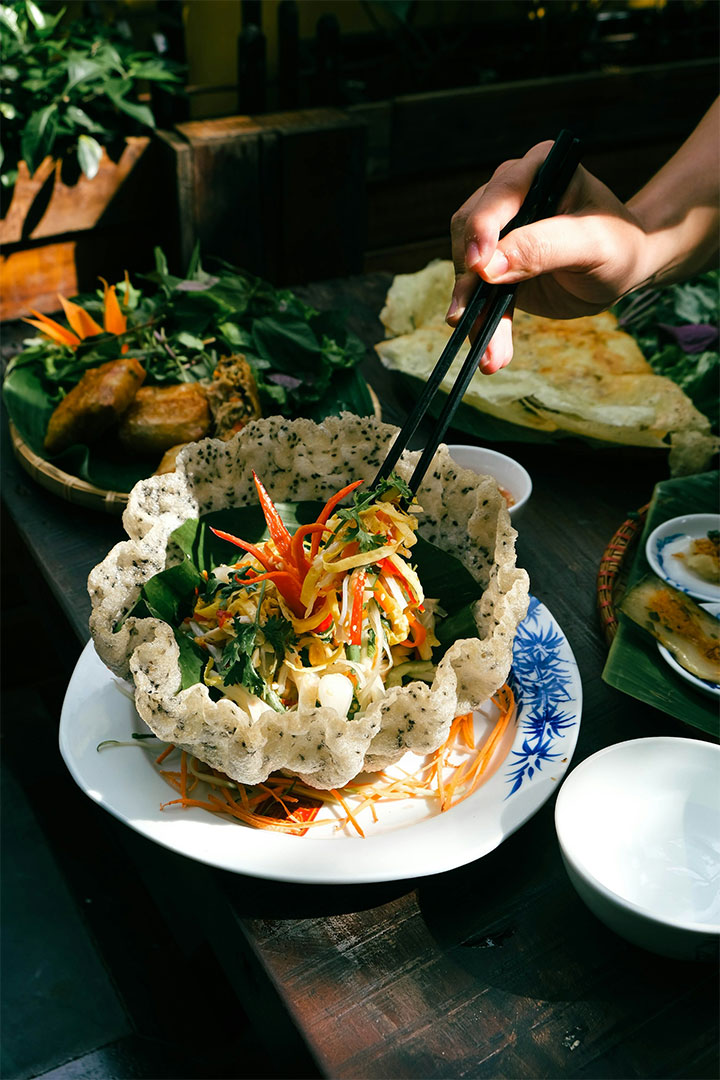
People love to travel with their taste buds. Global flavors continue to dominate menus, especially ingredients and dishes that come from Southeast Asia, the Middle East, and Latin America. Think tangy tamarind glazes, rich tahini sauces, or bold gochujang marinades. On the sweeter side, flavors like ube (purple yam), black sesame, and pandan have moved from niche to near-mainstream in the dessert world.
These ingredients don’t have to be used in traditional ways either. A Mexican-inspired mole sauce could make its way into a burger, or ube could be the star of a trendy milkshake or soft serve swirl.
Comfort With a Twist
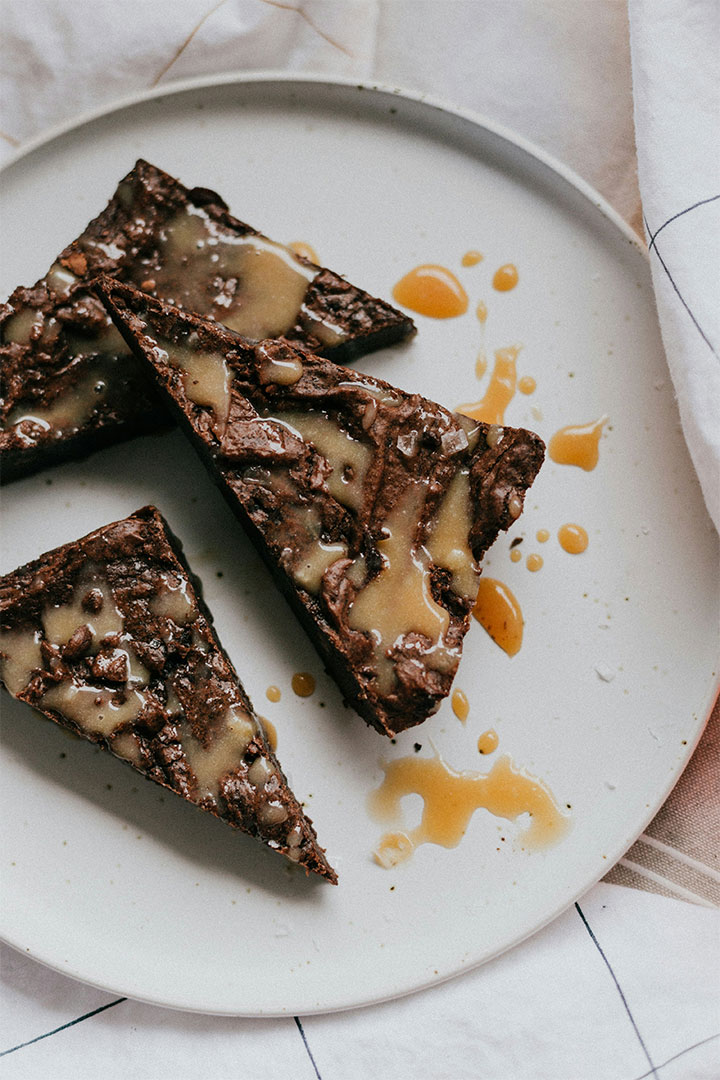
Comfort food isn’t going anywhere—but today’s diners are looking for a nostalgic hit and something new. Enter the trend of familiar flavors with a twist: think cereal milk panna cotta, miso caramel brownies, or lavender-infused grilled cheese.
This “new-but-familiar” approach lets you experiment without alienating customers who like to stick with what they know. It’s all about subtle surprises that make them say, “Ooh, I wasn’t expecting that—but I love it.”
Sweet Meets Savory (and Vice Versa)
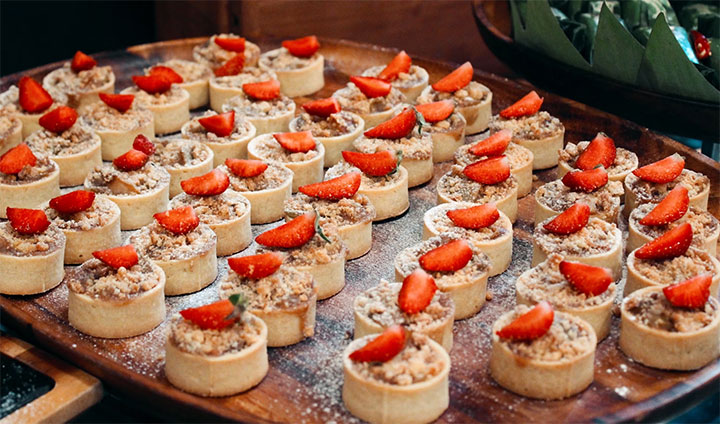
Lines between sweet and savory are continuing to blur, especially in desserts. Expect to see more salted, herbed, and spiced sweets—like rosemary honey ice cream, balsamic strawberry tarts, or chocolate desserts with chili or black pepper. These combinations keep things interesting and appeal to customers looking for depth and complexity.
Savory dishes are also picking up sweet touches, whether that’s maple and miso-glazed vegetables or grilled proteins paired with fruit-based sauces and chutneys. These flavor mashups give you room to play while offering balance and contrast.
Botanical and Floral Notes
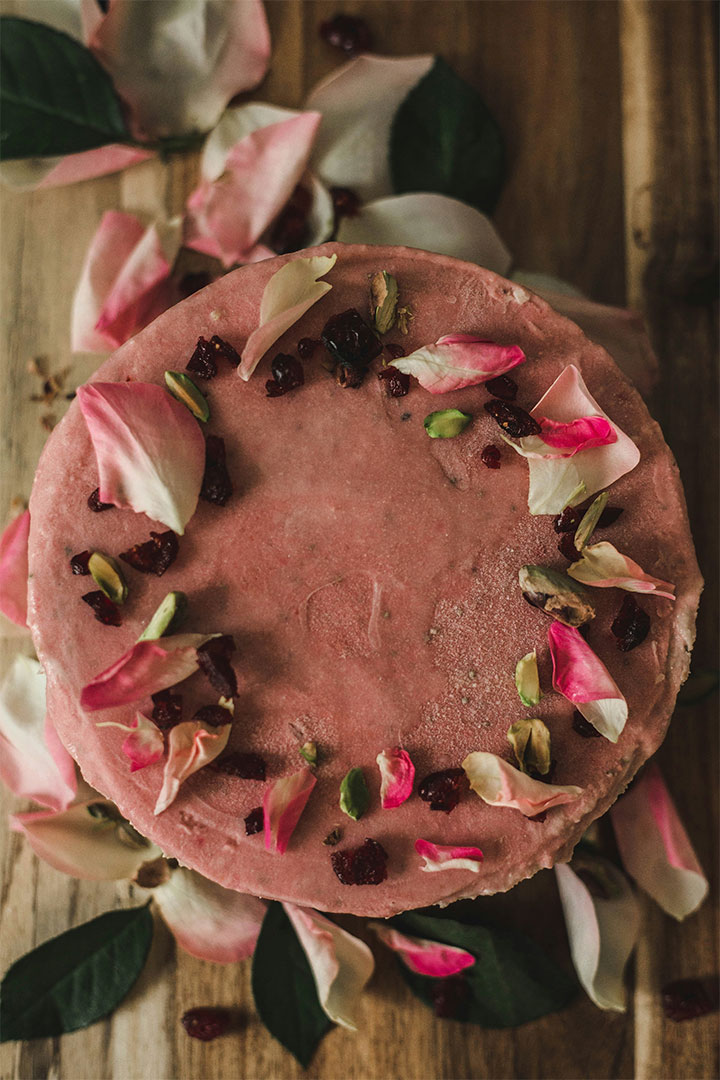
Floral and botanical flavors are blooming across menus, especially in drinks and desserts. Hibiscus, elderflower, chamomile, and yuzu are showing up in teas, lemonades, syrups, and even cakes and frostings. They offer a light, fragrant twist that’s perfect for spring and summer offerings—or to bring a fresh feel to your lineup year-round.
Pair these flavors with citrus or herbal elements to keep things bright and balanced. A yuzu and basil sorbet or a rose and raspberry tart sounds delicate but packs a punch.
Functional Flavors and Feel-Good Ingredients
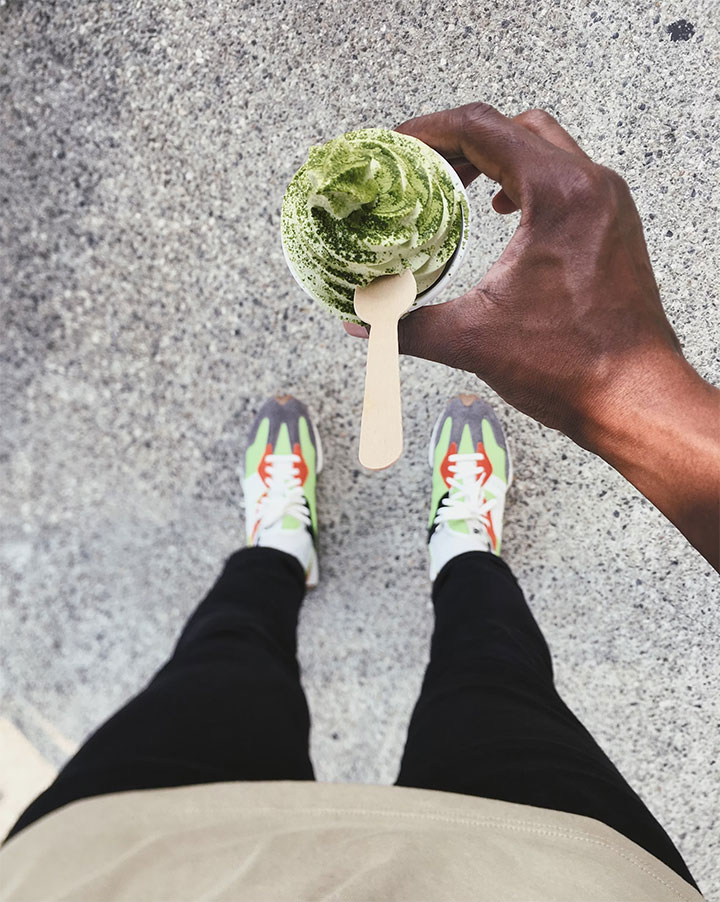
More customers are leaning into wellness-focused eating, which has pushed flavors like matcha, turmeric, ginger, and activated charcoal into the spotlight. These ingredients don’t just taste good—they also come with a “health halo,” making people feel better about their treat.
Smoothies, energy bites, tonics, and adaptogenic lattes are just a few of the menu items riding this wave. Even if you’re not running a health food cafe, sprinkling in a few better-for-you options can help widen your appeal.
Seasonal and Limited-Time Magic
One of the best ways to play with flavor trends is through seasonal or limited-time items. They create urgency, let you test new ideas, and help build hype. Think blood orange sorbet in winter, cherry blossom cakes in spring, or smoky s’mores sundaes in the fall.
You can also tap into cultural celebrations or quirky holidays for inspiration—like mochi donuts for Lunar New Year or horchata milkshakes during Hispanic Heritage Month.

Also, take a look at the “Branding By Interior” e-book, the only book written on this subject at this time. It brings insight into how you can turn your business into a market-dominating competitor by using human cognitive responses.
See our Small Store Design Extravaganza: Commercial Interior Design and Branding 01 book about branding small businesses from logo design to construction, with colorful images, offering insightful explanations every step of the way.