
How to Turn Pinterest Inspiration into Real Commercial Design

Good design doesn’t start from a blank page. It starts with observation. For anyone creating commercial environments, Pinterest inspiration opens a window into thousands of real interiors, showing how color, light, and texture shape the atmosphere of a space. It’s more than eye candy—it’s an endless and constant source of ideas.
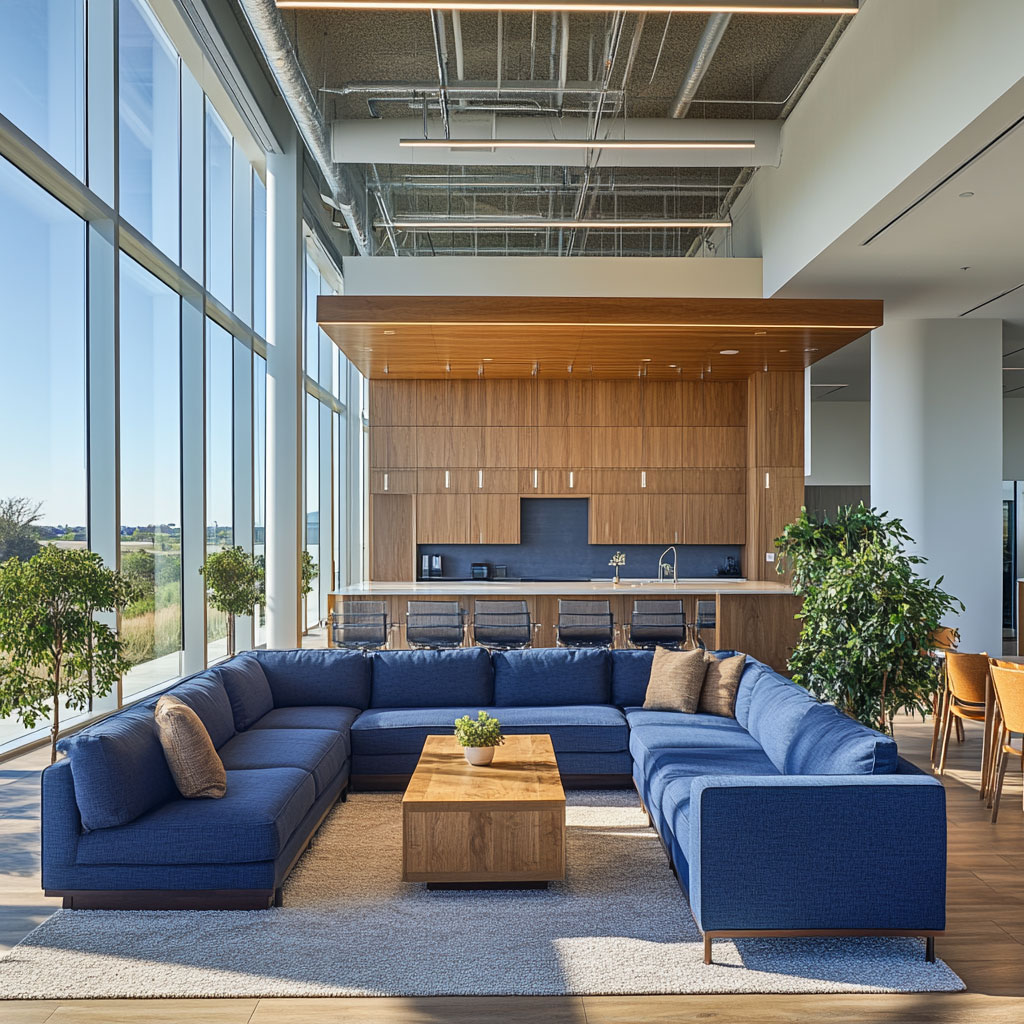
Photo above: Summer Corner Sectional Sofa with Peninsula by Gabriele Ghetti for Gamma Arrendamenti. From Room Service 360°.
But the value is not just in collecting images—inspiration is only the beginning. The real magic happens when you analyze what makes a space feel balanced, functional, and inviting. That is when saved images stop being just “pretty pictures” and start guiding your design decisions. You begin to read visual cues and design with intent.
So, how do you turn Pinterest boards into spaces that actually work? Let’s break it down.
Spot the Patterns
Let’s say you’re working on a seating-focused area, like an office lounge. Take a look at your Pinterest board and start interpreting what you see:
- Look for repeating elements. Notice what links the spaces you keep saving—maybe it’s muted tones, layered lighting, or a mix of natural and industrial materials. These repeating elements show the aesthetic direction you’re drawn to.
- Figure out what creates the impact. Is it the soft glow of pendant lights, the curve of a couch that invites conversation, or the contrast between sleek surfaces and cozy textures? Identifying these ingredients helps you translate mood into design.
- Adapt ideas to your own setting. Not every lounge is expansive, but you can take the essence of openness and comfort and express it through lighter colors, mirrors, or flexible seating arrangements.
- Design for people, not just photos. A space may look great online, but can people move, sit, or work comfortably? Always prioritize functionality. Keep comfort, traffic flow, and usability in focus—especially in areas where people sit, work, or linger.
Each image you analyze teaches you something about proportion, rhythm, and experience. With a bit of reflection, those saved visuals start leading you toward spaces that serve both your brand and the people who use them.

Maximilian Corner Sectional Sofa by Sergio Bicego for Bonaldo. From Room Service 360°.
Bring Ideas into Your Space
Pinterest inspiration is a great starting point, but—as Medium points out—the real work begins when you bring those ideas into your own lounge or seating area. A bright office lounge might look amazing online, but your interior will have its own size, lighting, and flow.
Here’s how to plan your real space:
- Measure and scale. A huge sectional might look perfect in a photo, but in your lounge it could overwhelm the room. Choose couch sizes and layouts that fit comfortably and leave space to move.
- Think about the light. Looking at your Pinterest boards, notice how bright or shadowed spaces feel in your saved images, then adapt those cues to your own room. In darker corners, lighter fabrics or reflective surfaces can mimic the openness you liked online. In brighter areas, warm textures and layered lighting can recreate that cozy vibe from your boards.
- Plan for movement. Think about how people move through the spaces you pin. Arrange sofas and chairs to guide traffic naturally, just like the layouts you admired on Pinterest. Create spots where people can sit, work, or relax without blocking walkways, inspired by the flow you observed in your favorite pins.
- Test arrangements digitally. Use AR or floor-planning tools to see how your Pinterest-inspired choices actually fit in your space. Small tweaks now save headaches later.
Remember, the goal isn’t to copy a photo, but to capture the same vibe—a place people want to hang out, work, or relax.

Plastics Tech Sectional Sofa with Peninsula by Piero Lissoni for Kartell. From Room Service 360°.
Style Your Space — Layer by Layer
Once the layout is set, it’s time to bring the space to life with the right textures, tones, and details. For instance, for seating areas where couches play a central role, layering decisions thoughtfully makes all the difference.
- Curate with intent. Keep only the images that truly reflect the atmosphere you want—layouts, furniture styles, and moods that match your brand and your space.
- Define focal points. Look at how your pinned rooms guide the eye. In seating areas, a modern sofa naturally draw attention, but lighting, rugs, or wall textures can guide the eye too. Decide which elements should stand out and arrange everything else around them.
- Stay consistent with tones. Use your boards to see which color combinations feel balanced. Neutral bases for walls, floors, or large furniture provide a cohesive foundation, while accent colors in cushions, décor, or smaller pieces let personality shine without feeling chaotic.
- Use contrast wisely. Notice how the rooms you pinned mix soft and hard surfaces. Combine soft, plush upholstery with sleek metal, wood, or glass elements. A little contrast adds depth and keeps the design from feeling flat.
- Mix textures. Take inspiration from the tactile layers in your Pinterest images. Layer materials—velvet or leather seating with wooden tables, metal accents, or woven rugs—to create a welcoming, tactile environment that invites people to sit, linger, and enjoy.
Every choice builds on the last, turning Pinterest inspiration into a seating area that feels functional, cohesive, and uniquely yours—perfect for office lounges, café corners, or boutique waiting areas.

WestPac Wealth Partners office design by Mindful Design Consulting
Case Study: Pinterest Couches in Action
In office lounges, the couch often becomes the centerpiece, setting the mood, guiding movement, and anchoring the design. Zooming in on this single key element shows how Pinterest inspiration becomes real-life design. Here’s how to translate it into a real-life seating solution:
- Anchor your space. Look closely at the lounge photos you’ve saved. What couch styles and proportions keep showing up? A large sectional might look amazing online, but in your space it could dominate the room. Use those images as a guide to scale and adapt.
- Balance function and style. Pinterest is full of modular designs, curved silhouettes, and flexible layouts. Notice which ones combine comfort with usability. In real life, the best commercial seating is as practical as it is stylish.
- Translate Pinterest mood. Think about what draws you to your favorite pins—the colors, the lighting, the textures. If a photo’s appeal comes from a mix of soft fabrics and warm tones, bring that feeling into your space with layered materials and accents.
- Focus on one key piece. Instead of recreating a full photo, pick one element that defines the look—the sofa—and design around it. This approach helps turn inspiration into a cohesive, functional space that feels true to your brand and where people want to sit, work, or relax.
- Look for craftsmanship. Visuals are great, but your furniture pieces need to be solid. Look for quality, not just looks. For instance, Italian sofas are built to last, with every seam and curve designed to stand up to years of use, like the finest crafted pieces from Gamma Arredamenti and Nicoline Italia. Many pieces can be customized—think upholstery colors, fabrics, and finishes. The materials are durable and often combine quality leather with eco-friendly fabrics. These are the kinds of sofas that encourage people to sit, relax, and chat.

Tokyo Curved Sectional Sofa by Gabriele Ghetti for Gamma Arrendamenti. From Room Service 360°.
In the end, Pinterest inspiration isn’t about recreating someone else’s space, but about gaining clarity on your own. The more you explore, pin, and refine, the more you understand what kind of atmosphere you want to create. When you translate that inspiration into real materials, textures, and furniture choices, your space starts telling its own story—one that feels intentional, functional, and entirely yours.

Amalfi XL Curved Sectional Sofa by Nicoline Italia. From Room Service 360°.
If you are thinking to open a new business or are in the process of rebranding and remodeling your existing business, contact us to get a free consultation from Mindful Design Consulting. Click HERE to price your project design.
Also, take a look at the “Branding By Interior” e-book, the only book written on this subject at this time. It brings insight into how you can turn your business into a market-dominating competitor by using human cognitive responses.
See our Small Store Design Extravaganza: Commercial Interior Design and Branding 01 book about branding small businesses from logo design to construction, with colorful images, offering insightful explanations every step of the way.