
Selecting the Right Countertop Materials for Small Restaurants

When it comes to creating the perfect ambiance for a small restaurant, every detail counts. From the lighting to the furniture, each element plays a vital role in shaping the overall dining experience. Among these, the choice of countertop materials has a big impact.
In a petite eatery where space is at a premium, the countertops serve as not only a functional work surface but also a statement piece that sets the tone for the entire space. From durability to aesthetics, there are several factors to consider when selecting the right countertop materials for small restaurants. Here are some of the top contenders and their suitability for these cozy culinary retreats.
Quartz
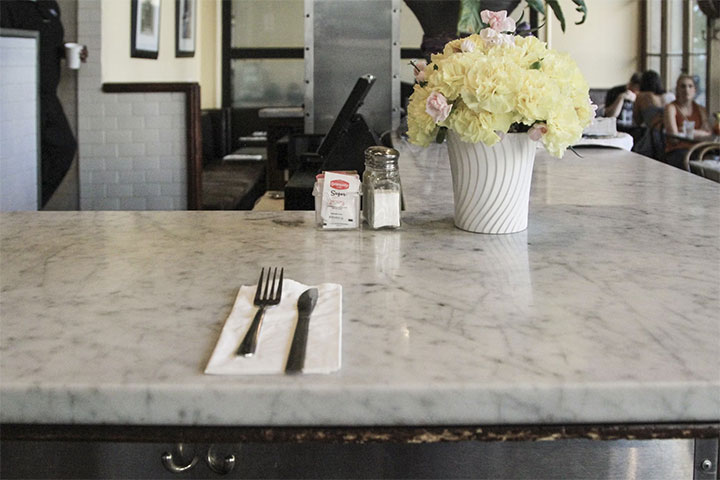
If durability and versatility are at the top of your list, quartz countertops are an excellent choice. Made from a blend of natural quartz stone and resin, these countertops offer unparalleled durability that ensures they can withstand the wear and tear of a bustling kitchen environment. Unlike natural countertop materials such as marble or granite, quartz is non-porous, meaning it is resistant to stains, spills and bacterial growth. This makes it incredibly easy to clean and maintain, saving restaurant owners valuable time and effort in daily upkeep.
Quartz countertops offer excellent heat resistance, a valuable attribute for busy kitchen environments where hot pots and pans are constantly in use. This not only adds to their durability but also ensures that they maintain their pristine appearance for years to come, even in the face of daily wear and tear.

Quartz countertops in Leafly Boba Bar dessert shop by Mindful Design Consulting
Additionally, the versatility of quartz countertops is remarkable. With a wide range of colors, patterns and finishes available, restaurant owners can effortlessly find the perfect match for their establishment’s aesthetic. Whether you’re aiming for a sleek and modern look or a warm and inviting ambiance, there’s a quartz countertop option to suit every style. For instance, a trendy cafe might opt for a chic white quartz countertop with subtle veining to complement its minimalist decor, while a cozy bistro could choose a warm, earth-toned quartz countertop to create a welcoming atmosphere for diners.
Because quartz countertops are engineered rather than naturally occurring, they offer unparalleled consistency in color and pattern. This means that restaurant owners can rest assured that every countertop slab will be uniform in appearance, providing a seamless and polished look throughout the space.

Quartz countertops in YOBA dessert shop by Mindful Design Consulting
Granite
The natural beauty and timeless elegance of granite countertops make them a popular choice among restaurant owners looking to add a touch of sophistication to their space. Granite countertops are formed from natural stone, giving each slab a unique pattern and texture that adds character to the kitchen or dining area.
One of their key advantages is their exceptional durability. These countertops are highly resistant to scratches, heat and moisture, which makes them excellent candidates for restaurant kitchens. From chopping vegetables to placing hot pans directly on the surface, granite countertops can handle it all without showing signs of wear and tear. While they may require periodic sealing to maintain their luster and protect against stains, many restaurant owners find that the investment is well worth it for the luxurious look and feel they bring to their space. With proper care and maintenance, granite countertops can retain their pristine appearance for decades, making them a cost-effective choice in the long run.

Granite contertops in Pichudo restaurant by Mindful Design Consulting
Granite countertops offer a wide range of colors and patterns to choose from, allowing you to find the perfect match for your decor and branding. Whether you prefer classic hues like black, white and gray, or more exotic options with intricate veining and speckles, there’s a granite countertop to suit your wishes. For example, a rustic farmhouse-style restaurant might opt for a warm-toned granite countertop with earthy hues and natural patterns to complement its cozy atmosphere, while a sleek contemporary restaurant could choose a polished black granite countertop for a dramatic and modern look.

Granite contertops in Pichudo restaurant by Mindful Design Consulting
Laminate provides an excellent option for budget-conscious restaurant owners who are looking for affordable yet stylish countertop materials. One of the primary advantages of laminate countertops is their affordability, which makes them attractive for small restaurants looking to keep costs down without compromising on quality. Compared to countertop materials like quartz or granite, laminate offers a cost-effective alternative that allows restaurant owners to allocate their budget towards other aspects of their business.
Laminate countertops also offer practical benefits that make them well-suited for high-traffic restaurant environments. These countertops are available in a wide range of colors, patterns and textures, allowing restaurant owners to find the perfect match for their aesthetic preferences and branding. Unlike natural stone countertops that require periodic sealing and special cleaning products, laminate countertops are incredibly easy to clean and maintain. A simple wipe down with mild soap and water is all it takes to keep laminate countertops looking fresh and new.

While laminate countertops may not have the same level of durability as quartz or granite, they can still provide years of service with proper care. With advancements in laminate technology, modern laminate countertops offer improved resistance to scratches, stains and heat. They can be easily repaired or replaced if damaged, minimizing downtime and maintenance costs for restaurant owners.
For example, a casual diner might opt for laminate countertops with a retro-inspired pattern to evoke a nostalgic vibe, while a fast-casual restaurant could choose laminate countertops in bold colors to create a vibrant and energetic atmosphere.
Stainless Steel
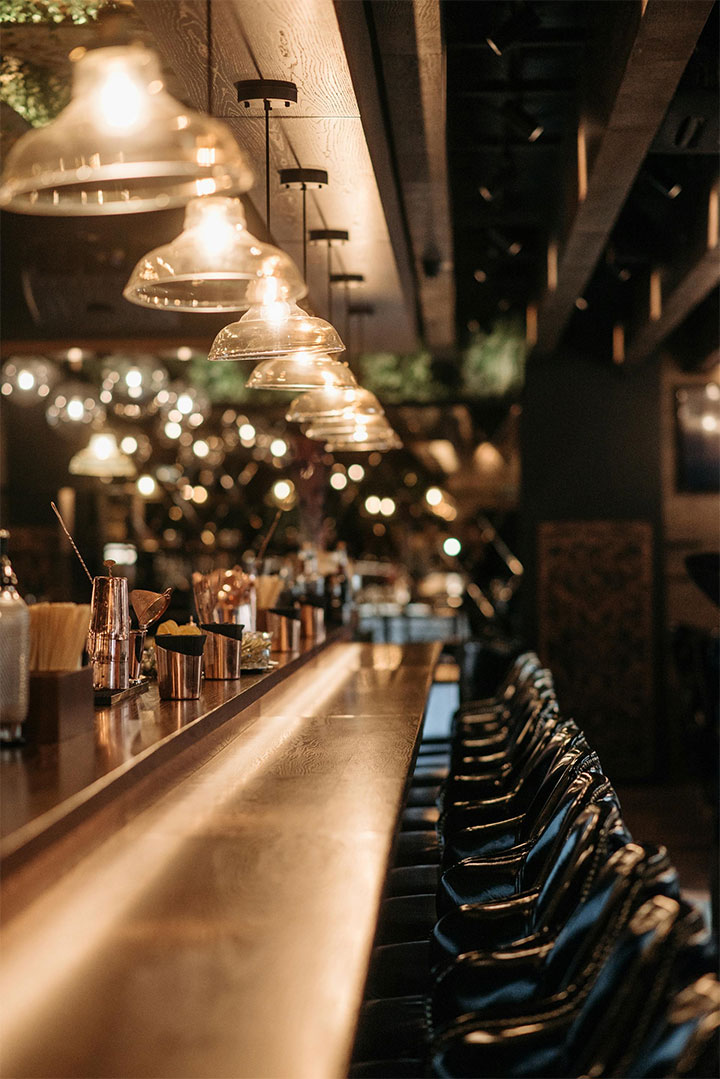
Sleek, modern and exceptionally durable, stainless steel stands out as a preferred choice in countertop materials for commercial kitchens worldwide. Their popularity stems from a multitude of advantages, making them a staple in the culinary industry. Beyond their inherent resistance to heat and stains, stainless steel surfaces boast unparalleled hygiene standards, a crucial feature for bustling restaurant settings where cleanliness is paramount. Moreover, the reflective nature of stainless steel can serve to enhance the ambiance of a space, amplifying natural and artificial light to impart an airy feel, ideal for smaller restaurants seeking to maximize visual spaciousness.
Stainless steel countertops are notably easy to clean and maintain, requiring minimal effort to preserve their pristine appearance and reducing downtime between meal services. Furthermore, their non-porous surface inhibits the growth of bacteria, enhancing food safety standards and ensuring compliance with stringent health regulations.
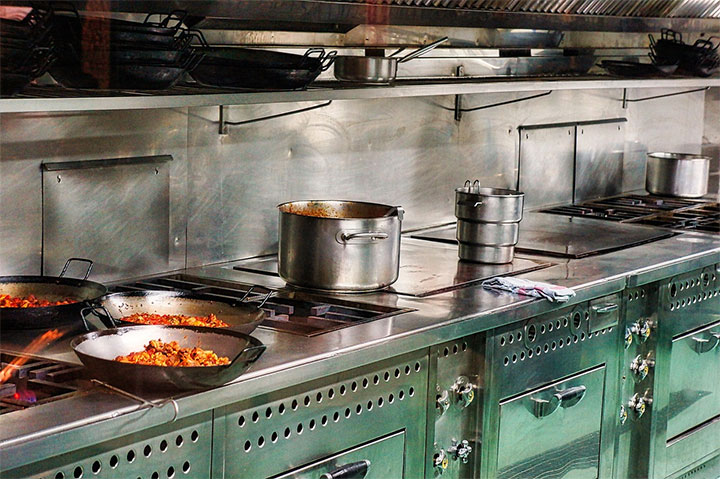
However, there are a few factors to consider. While their resilience to heat is undeniable, stainless steel counters may scratch or dent more easily than other countertop materials, potentially compromising their flawless finish over time. Their reflective surface can accentuate fingerprints and smudges, so they require frequent wiping to uphold their aesthetic allure.
Whether it’s for food preparation areas or service stations, stainless steel countertops can be seamlessly integrated into diverse restaurant designs. For instance, a sleek urban bistro might opt for stainless steel countertops with a brushed finish to complement its minimalist decor, while a high-end seafood restaurant might embrace the material’s clean lines and contemporary appeal to evoke a sense of sophistication and professionalism.

Concrete

Butcher Block
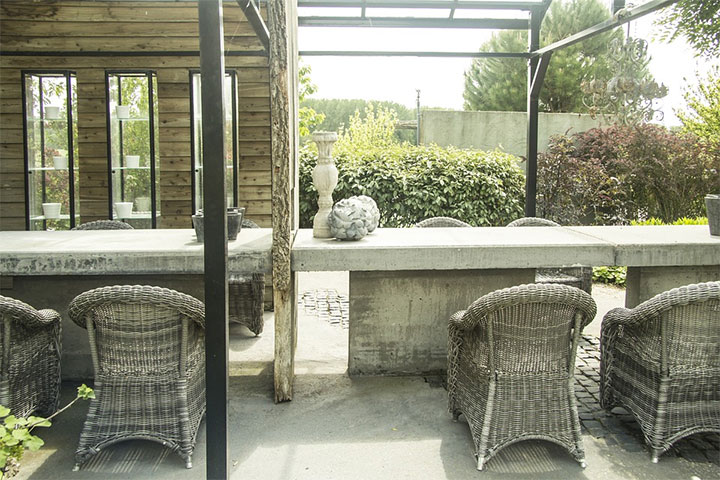
Crafted from natural wood, butcher block countertops infuse restaurants with a sense of rustic charm and organic beauty. Their warm tones and distinctive grain patterns create an inviting ambiance that appeals to patrons seeking a cozy dining experience.
One of the main pros of butcher block countertops is their ability to develop a rich patina over time. As they age, the wood develops a beautiful sheen and deepens in color, which enhances its natural allure and character. This unique aging process adds a sense of authenticity and history to the restaurant’s decor, making it more approachable and relatable.
Butcher block countertops are highly versatile and can complement a variety of design styles, from farmhouse chic to modern minimalism. Their natural aesthetic pairs seamlessly with a range of materials, allowing restaurateurs to customize their space according to their vision and brand identity.
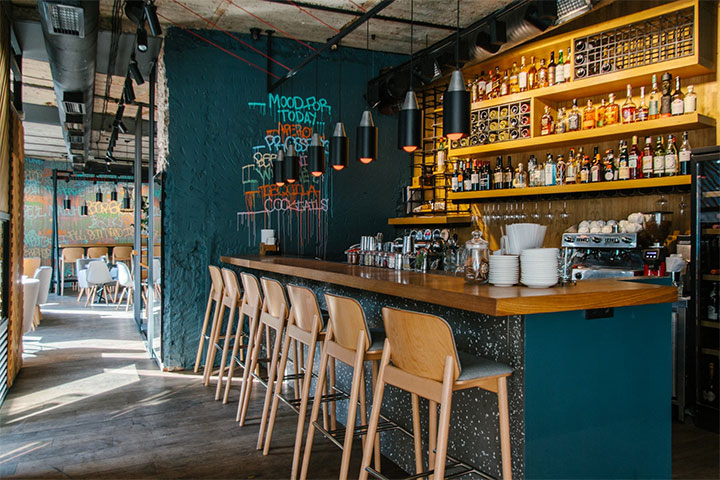
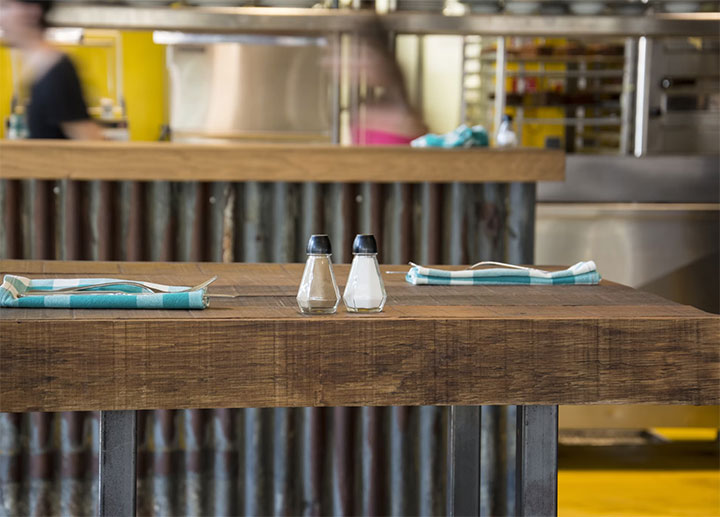
However, it’s essential to consider their maintenance requirements. Due to their porous nature, wood countertops are susceptible to scratches, water damage and stains. Regular oiling and sealing are necessary to protect the surface and maintain its integrity. Despite these maintenance needs, many restaurateurs find that the warmth and character that butcher block countertops bring to their establishment are well worth the effort.
For example, a cozy neighborhood cafe might opt for butcher block countertops to create a homey atmosphere that encourages patrons to linger and enjoy their meals. The warm, inviting tones of the wood complement the cafe’s laid-back vibe, while the natural beauty of the countertops adds an element of charm and authenticity to the space.
If you are thinking to open a new business or are in the process of rebranding and remodeling your existing business, contact us to get a free consultation from Mindful Design Consulting. Click HERE to price your project design.
Also, take a look at the “Branding By Interior” e-book, the only book written on this subject at this time. It brings insight into how you can turn your business into a market-dominating competitor by using human cognitive responses.
See our Small Store Design Extravaganza: Commercial Interior Design and Branding 01 book about branding small businesses from logo design to construction, with colorful images, offering insightful explanations every step of the way.





Leave a Reply
Want to join the discussion?Feel free to contribute!