The Rise of Shipping Containers in Cafe Design

Businesses are getting more creative than ever in trying to stand out, save on construction costs, and stay flexible. One idea that’s really taking off is using portable storage units or shipping containers in cafe design. These sturdy metal boxes, once used strictly for storage or transport, are now being turned into sleek, efficient, and eye-catching spaces that let brands launch fast, operate smart, and make a strong visual statement.
It’s not just a cool trend—container cafes are part of a bigger shift toward smart, flexible design. Startups, franchises, even big brands are jumping on board and turn to modular setups that can evolve with them. Some companies, like PODS, have started exploring how these portable units can do more than just serve as short-term fixes—they’re finding ways to make them work as practical, longer-term setups too.

Why Shipping Containers Work for Cafe Design
Traditional construction can be slow, expensive, and tricky to move if you want to change locations. Shipping containers, on the other hand, come ready-made and easy to customize. They’re portable, scalable, and can be fully built offsite before being delivered and installed. This means you can get your cafe up and running much faster—and usually for a lot less money—than with a typical brick-and-mortar build.
Perfect for Small Spaces and Pop-Up Spots
Because shipping containers don’t take up much space, they’re great for tight city spots, busy events, college campuses, or even unused lots that wouldn’t normally work for a cafe. You can stack them to save space, line them up side-by-side, or connect multiple containers to create unique layouts. Need a kitchen, a takeout window, or a cozy seating area? You can mix and match containers to fit your exact needs.
A Greener Choice for Your Cafe
Using a recycled shipping container is a smart move if you care about sustainability. Reusing these sturdy metal boxes helps cut down on construction waste and reduces your cafe’s environmental footprint. Plus, a container’s durable design means it holds up well against the weather, so it’s a practical choice for long-term use.
Style That’s Totally Customizable
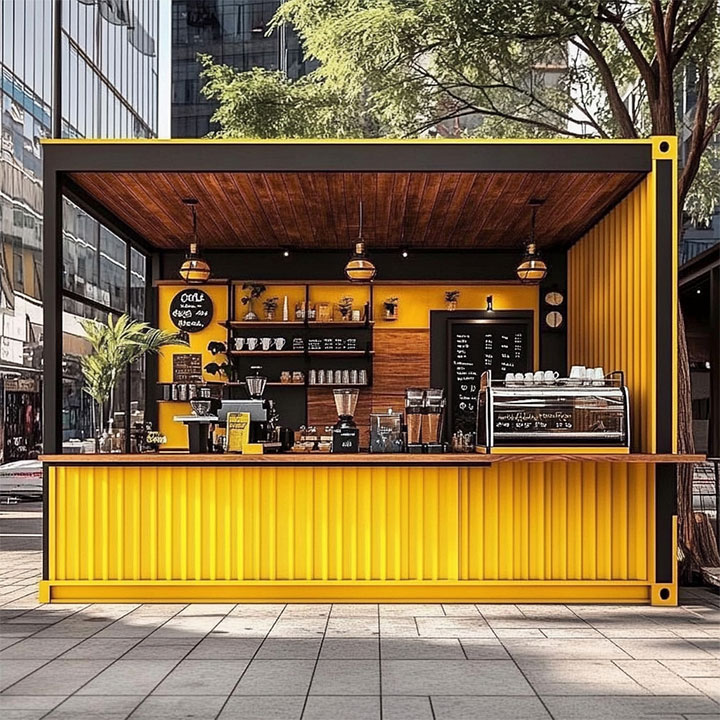
Shipping containers start as blank slates. You can paint them any color, add bold signage, string up lights, or commission a mural to make your cafe pop visually. Some cafes love the edgy, industrial look that the metal container brings, while others soften the vibe with wood cladding, lots of plants, and inviting outdoor seating. Whichever way you go, it’s an easy way to show off your brand’s personality and make your space memorable.
Flexible and Future-Proof
One of the biggest perks? Shipping container cafes are flexible. If your business grows, you can add more containers. Want to relocate? You can move the whole thing without starting from scratch. This flexibility makes containers a smart choice for cafes looking to stay nimble and adapt to changing customer needs.
Cost-Effective and Time-Saving
Compared to traditional builds, container cafes usually save you a bunch of time and money. Since much of the work happens offsite, you avoid long construction delays and messy disruptions. This means you can open your doors sooner and start serving customers faster, which is a huge advantage when you’re just getting started or testing out a new location.

Big Brands, Big Impact: Who’s Doing It Right
Several well-known brands have embraced shipping containers is cafe design as part of their strategies.
Starbucks
Starbucks was one of the earliest major adopters, opening its first shipping container cafe in Washington state back in 2011. Since then, they’ve launched multiple container stores across the U.S., promoting them as eco-friendly drive-thru locations that support LEED-certified construction.
Blue Bottle Coffee
Known for its minimalist aesthetic and premium coffee, Blue Bottle Coffee has used shipping containers to create chic, functional cafe setups in both Japan and the U.S., often placing them in open-air retail parks and public spaces.
Toby’s Estate Coffee
Toby’s EState Coffee (now Partners Coffee) in Brooklyn has used a repurposed shipping container to house an espresso bar, merging industrial cool with the warmth of artisanal service.
Dunkin’
Even Dunkin’ tested a container-based drive-thru concept in Massachusetts, designed to be energy-efficient and compact—ideal for smaller, high-traffic plots.
These examples prove that container cafes aren’t just for scrappy startups—they’re also being used by forward-thinking franchises and global names looking for faster deployment, lower overhead, and design flexibility.

The Perfect Blend of Function and Style
Whether you’re starting a boba shop, juice bar, donut stand, or a full cafe, shipping containers give you a smart mix of flexibility and style. They let you create exactly the kind of space you need—whether that’s prep zones, service counters, seating, or display areas—without taking up more room than necessary.
What’s really great is how easy it is to grow. You can start with just one container and add more as your business takes off, all without the hassle of moving to a new spot.
For both designers and cafe owners, container cafes open up new ways to think about space. They’re not just buildings—they’re adaptable tools that can turn into lively community spots and make your brand stand out in a big way.

Also, take a look at the “Branding By Interior” e-book, the only book written on this subject at this time. It brings insight into how you can turn your business into a market-dominating competitor by using human cognitive responses.
See our Small Store Design Extravaganza: Commercial Interior Design and Branding 01 book about branding small businesses from logo design to construction, with colorful images, offering insightful explanations every step of the way.