
Types of Commercial Fryers and How to Choose the Right One for Your Menu
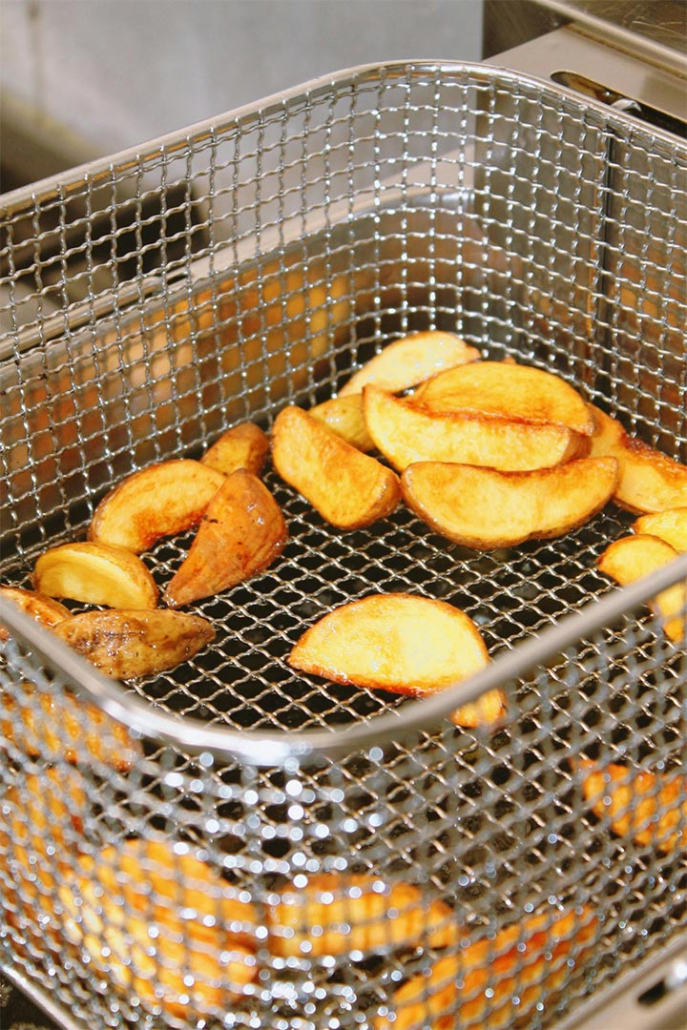
Have you ever struggled with soggy fries or inconsistent cooking in your busy kitchen? The problem might not be your recipe—it could be your fryer. The wrong fryer can throw off your workflow, drive up costs, and leave your food falling short of customer expectations.
But the right commercial deep fryer? It can take your café, restaurant or takeaway to the next level. It helps you serve consistently crispy, golden and delicious food while keeping your kitchen running efficiently.
Here are the different types of commercial fryers and how to choose the perfect one for your menu.
Why Choosing the Right Fryer Matters
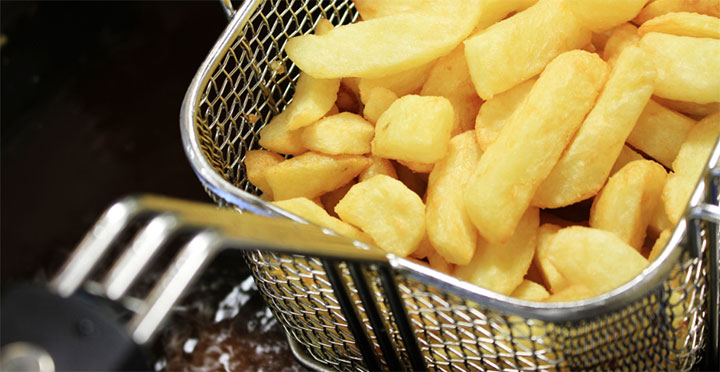
Picking the right fryer isn’t just about cooking—it’s about running your food business smoothly and keeping your customers happy. Your commercial deep fryer will likely work overtime in your café, restaurant, food truck and takeaway. Choosing the wrong one can slow you down, waste energy and even affect the taste of your food.
The right fryer can save you time and money. For example, if you’re cooking fries, battered fish or churros, a high-capacity fryer can handle larger batches, keeping orders flowing during busy times. A well-suited fryer also keeps your food consistent—crispy, golden and delicious—every single time.
Beyond cooking, a good fryer is easier to clean, lasts longer, and uses less energy, which helps cut running costs. It also reduces oil usage and maintenance costs, which makes it more cost-effective in the long run.
Safety is another key factor. Features like splash guards, temperature controls and auto shut-off systems reduce the risks of handling hot oil and help prevent accidents or fires.
Different Types of Commercial Deep Fryers
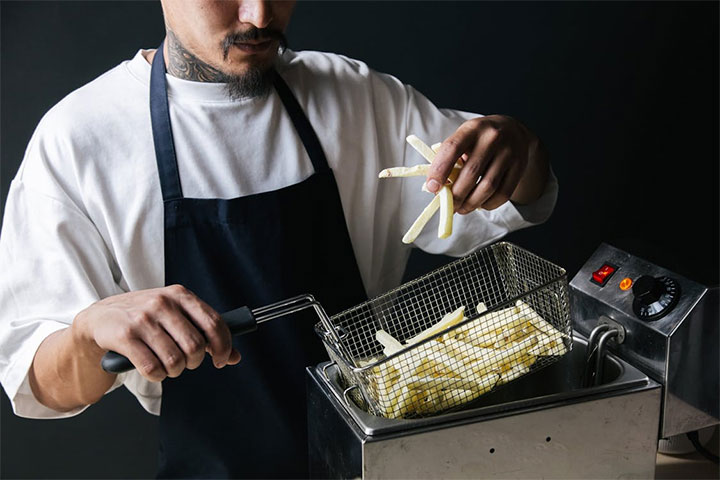
To run a successful restaurant or café, having the right fryer is just as important as having great food. Whether you’re frying fries, tempura or donuts, the type of fryer you use needs to match your menu, cooking volume and kitchen setup. Below are the different types of commercial fryers to help you find the perfect fit for your kitchen.
Countertop Fryers
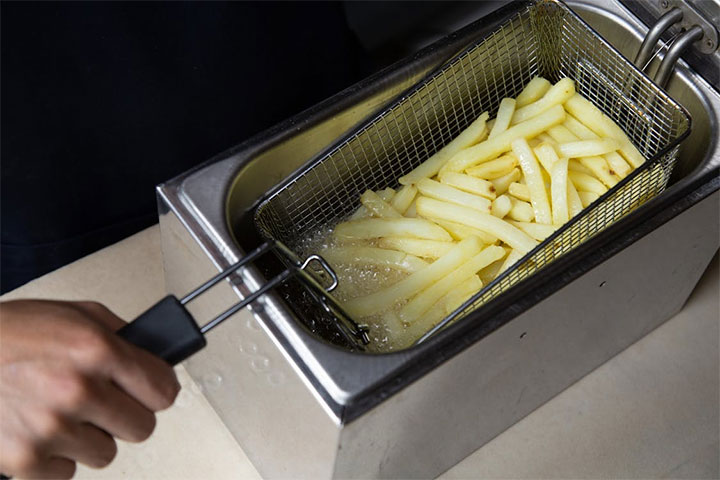
Countertop fryers are small, portable commercial deep fryers perfect for food trucks, concession stands and smaller commercial kitchens. They are ideal for preparing lighter foods like French fries, chicken tenders, mozzarella sticks and spring rolls. These fryers heat quickly and use less oil, which makes them energy-efficient and great for low-volume frying.
Electric countertop fryers are particularly useful because they don’t need a gas line and can be set up almost anywhere. If space is limited, countertop models are a smart choice. Some also come with fryer accessories like built-in timers, making it easier to cook different foods without constant supervision.
Floor Fryers
Floor fryers are larger commercial fryers designed for high-volume kitchens. They come in both gas and electric models, with gas fryers offering faster heat recovery and electric fryers providing even heat distribution. Floor models are best for high-volume restaurants that need to fry large batches of food, such as French fries, chicken wings and cheese sticks.
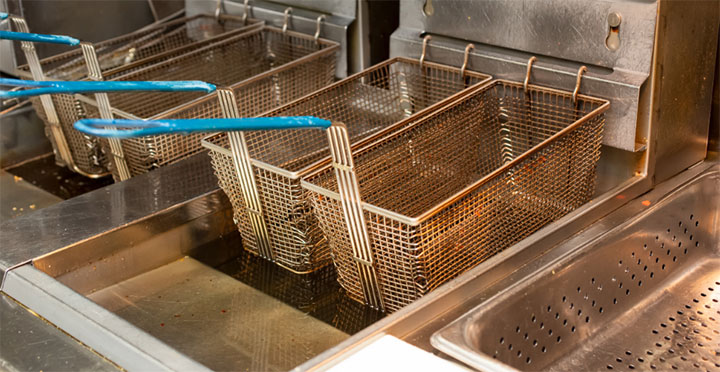
These fryers often include built-in filtration systems to help extend the life of the oil and improve food quality. Floor fryers also have a larger oil capacity, making them well-suited for heavily breaded items and frozen foods. If your kitchen serves high-sediment foods, a floor fryer with a cold zone can help keep the oil cleaner longer.
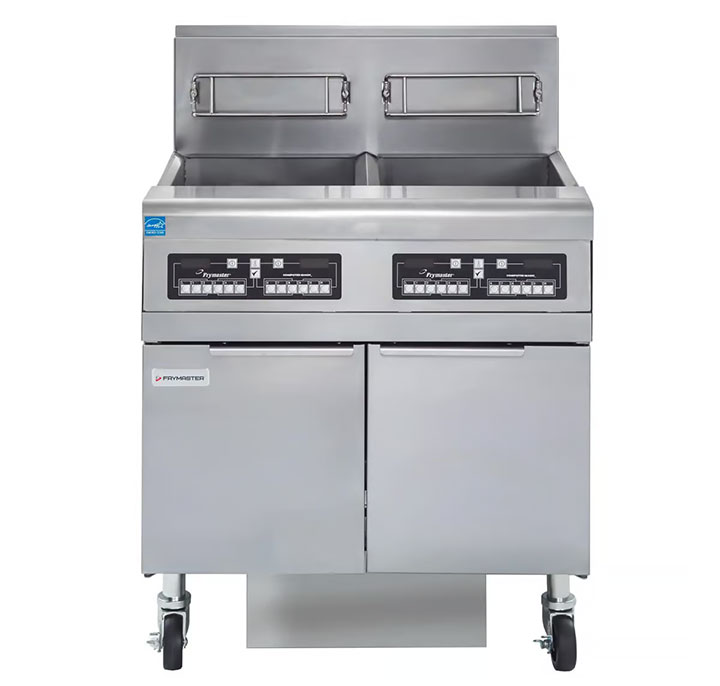
Frymaster Deep Fryer from Industry Kitchens
Pressure Fryers
Pressure fryers cook food by sealing in steam and pressure, which helps fry food faster and at lower temperatures. This method locks in moisture, making it perfect for fried chicken and other foods that need to stay juicy on the inside while crispy on the outside.
Popular brands like Henny Penny offer pressure fryers designed for commercial kitchens that serve high volumes of fried chicken. Since these fryers cook at lower temperatures, they use less energy while producing consistently delicious results. If your menu includes items like fried chicken, nuggets and other poultry items, a pressure fryer might be the best fryer for you.
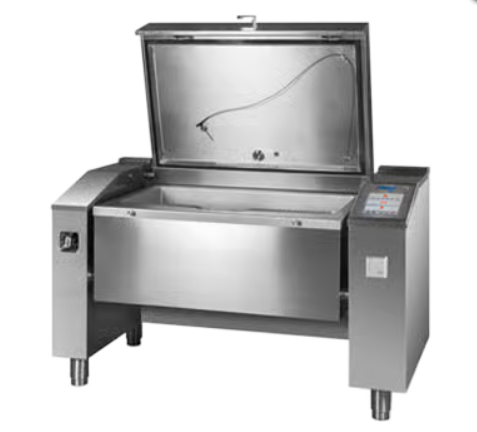
Waldorf Electric Pressure Multi Pan from Industry Kitchens
Open-Pot Fryers
Open-pot fryers are great for cooking low-sediment foods like French fries, tempura, fried vegetables and mozzarella sticks. Unlike tube-type fryers, however, they have a smaller cold zone, which means they aren’t as effective at handling heavily breaded items.
These fryers are simple to clean and look after, so they’re often used in busy kitchens. They heat up fast and cook food evenly, so every batch comes out just right. Open pot fryers are a reliable option if your menu focuses on sides and battered items. For kitchens with HVAC systems, having HVAC access doors can make it easier to maintain proper ventilation when using these fryers.
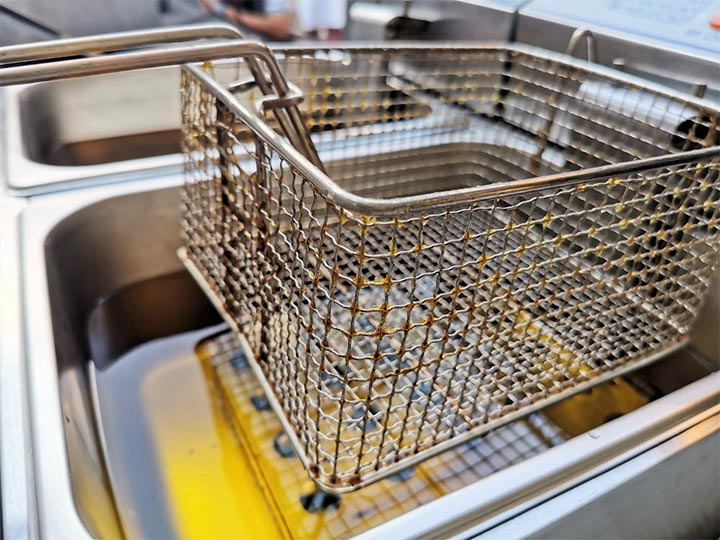
Tube Type Fryers
Tube type fryers have heating elements directly submerged in the oil, which means they are ideal for high-sediment foods like heavily breaded fish, fries, funnel cakes and onion rings. The deep cold zone at the bottom of the fryer collects debris, preventing it from burning and spoiling the oil.
These fryers are great for busy kitchens that need to cook a lot of fried food fast. Because of their efficient design, tube-type fryers can handle heavily breaded foods better than other types of fryers. If you’re serving items that create a lot of crumbs, this type of fryer is a perfect solution.
Flat Bottom Fryers
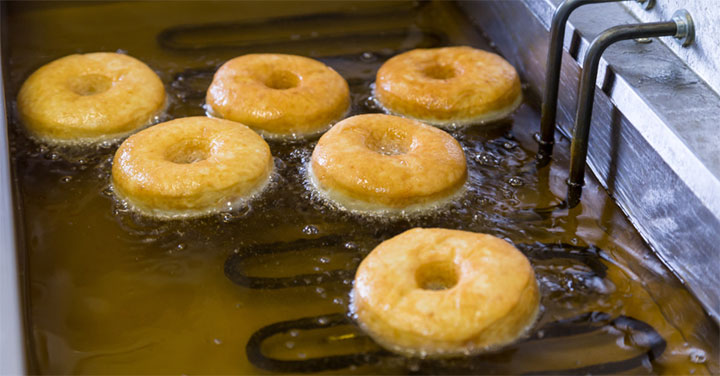
Flat-bottom fryers are designed for delicate items that float on top of the oil, such as funnel cakes, tempura, tofu, veggies and donuts. They don’t have a cold zone, so they’re not ideal for heavily breaded foods that create lots of sediment.
Since flat bottom fryers cook food evenly without direct contact with heating elements, they are well suited for light, delicate frying tasks. A flat-bottom fryer is the perfect solution if you run a café or bakery and serve fried desserts.
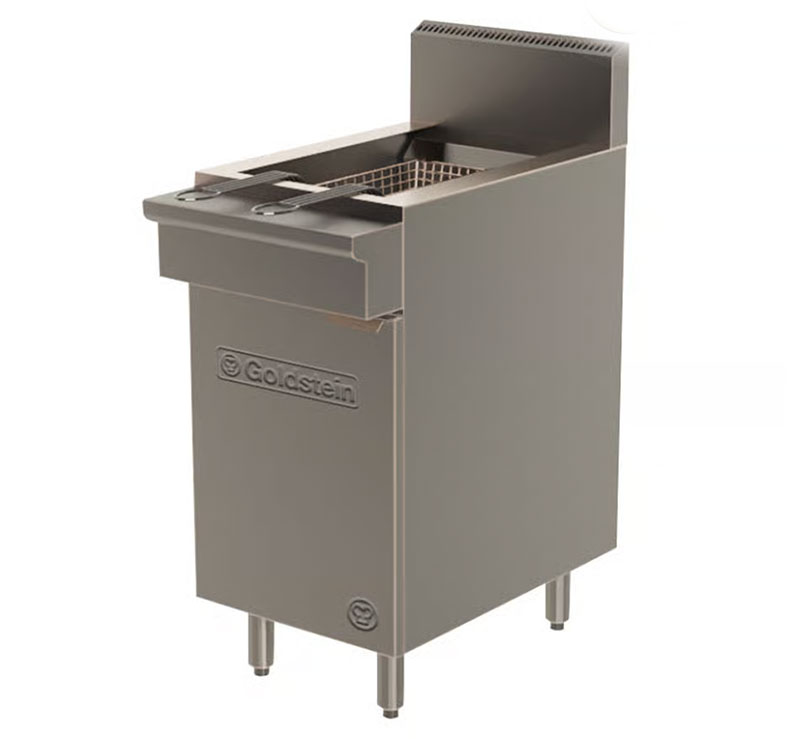
Glodstein Fish Fryer, Flat Bottom from Industry Kitchens
Specialty Fryers
Specialty fryers are designed for specific tasks and unique menu items. Here are a few examples:
- Ventless Fryers. These fryers come with a built-in hood system, eliminating the need for external ventilation. They’re great for food trucks or kitchens without proper ventilation systems.
- Donut Fryers. Specifically made for frying donuts, these fryers maintain consistent temperatures and ensure even cooking.
- Fish Fryers. Designed with a larger cold zone, fish fryers help keep oil cleaner for longer when frying high-sediment foods like battered fish.
- Pasta Fryers. Though technically not deep fryers, pasta fryers are specialized for boiling pasta quickly and efficiently in high-volume kitchens.
- Induction Fryers. Induction fryers use advanced technology to heat the oil directly, offering precise temperature control and energy efficiency.
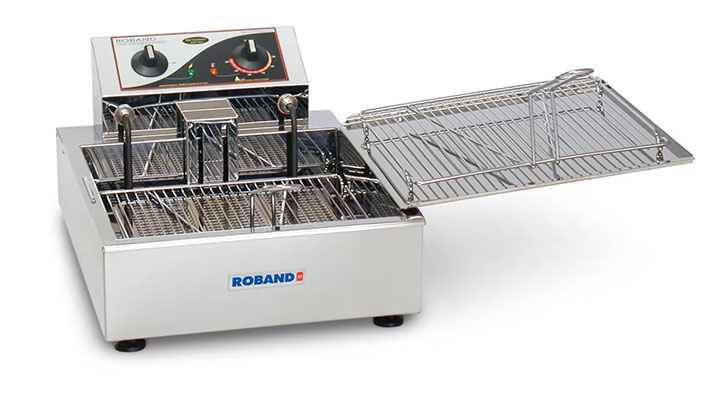
ROBAND Donut Fryer from Industry Kitchens
Essential Features to Look for When Selecting Deep Fryers
When choosing a fryer, you need to think about more than just the type of food you serve. Your menu, kitchen layout and the size of your space will all affect which fryer is the best fit.
Selecting the right fryer can improve cooking times, ensure food quality, and keep your kitchen running smoothly. Below are some key features to consider when choosing commercial deep fryers.
Capacity
The fryer size and capacity determine how much fried food you can prepare at once. Large-capacity floor fryers are perfect for high-volume restaurants, while smaller countertop models work well for food trucks and concession stands. Choosing the right capacity helps prevent delays during busy hours.
Some high-volume kitchens may need multiple fryers for different foods to ensure consistent cooking and reduce the risk of flavor mixing. Larger fryers are also better for heavily breaded items, as they require more oil to cook evenly.
Power Source
Commercial fryers are available as gas and electric models. Gas fryers heat quickly, which makes them suitable for high-volume kitchens, while electric models provide even heat and are easier to install. The best fryer for your kitchen depends on your available energy source.
Gas fryers are often powered by natural gas and require a proper ventilation system. Electric fryers, on the other hand, don’t need a gas line and can be a better option for smaller commercial kitchens. Always ensure your fryer’s power source matches your kitchen’s setup to avoid issues.
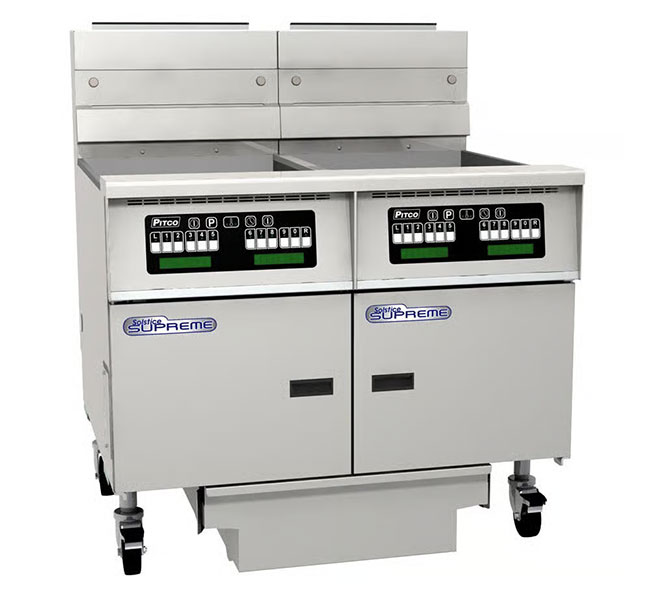
Pitco Solstice Electric Fryer from Industry Kitchens
Heating Time and Energy Efficiency
Quick heating elements and energy-efficient designs are crucial for reducing cooking times and saving costs. Deep fryers with fast recovery times are ideal for high-volume restaurants, as they maintain consistent oil temperatures even during peak hours.
Energy-efficient models use less energy, which can significantly lower your running costs over time. Look for advanced features like automatic shut-off and standby modes, which help conserve energy when the fryer is not in use. These models are a perfect solution for kitchens that want to minimize waste.

Temperature Control and Accuracy
Consistent temperatures ensure fried food cooks evenly and stays crispy. Fryers with accurate temperature controls are essential for delicate items. Open pot fryers and pressure fryers both benefit from precise temperature management.
Some fryers come with digital controls, making it easier to set and monitor cooking temperatures. Others have manual dials, which are often more durable and reliable in busy kitchens. Being able to control the temperature exactly helps you cook food perfectly every time, including chicken wings or fish.
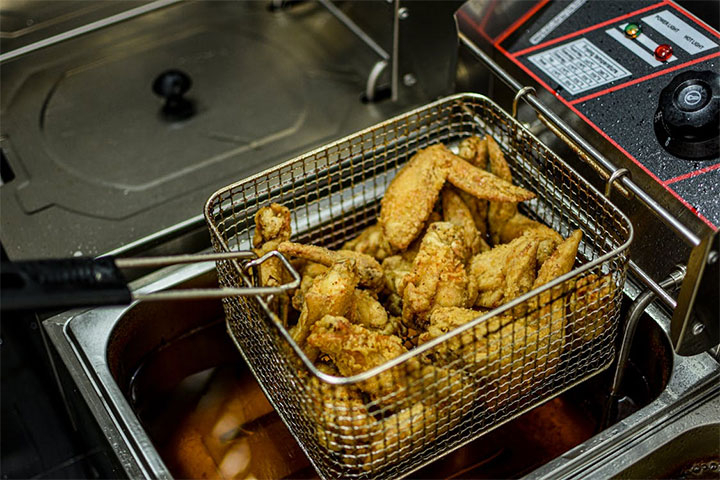
Safety Features
Safety features are vital when working with hot oil. Look for fryers with overheat protection, automatic shut-off and splash guards. These features reduce the risk of burns and ensure a safer kitchen environment.
Ventless fryers and models with hood systems are well-suited for kitchens without proper ventilation. Additionally, fryers with insulated walls and cool-touch handles help prevent accidental burns. Always prioritize safety when choosing the best fryer for your commercial kitchen.
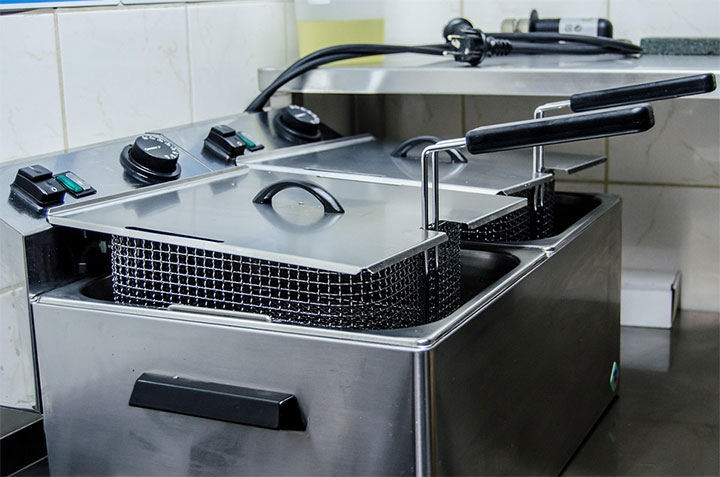
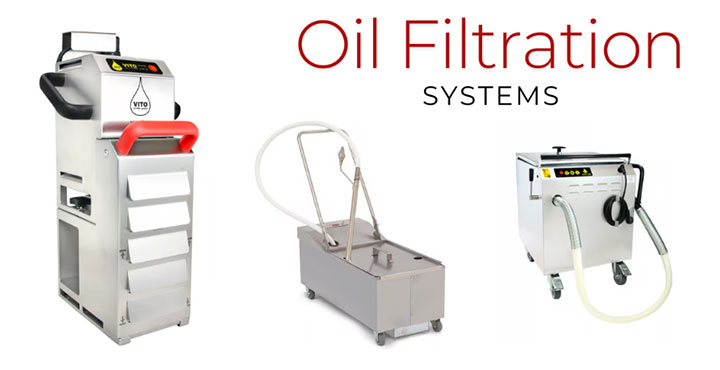
Oil Filtration System
A built-in filtration system helps remove excess oil and food debris, improving the taste and quality of fried food. Fryers with a cold zone keep sediment away from the heating elements, extending the life of the oil and reducing waste.
Fryers with effective filtration systems benefit high-sediment items like fried fish and heavily breaded foods. Regularly filtering oil reduces operating costs and keeps food tasting fresh. Investing in a fryer with automatic oil filtration can save time and improve efficiency.
Easy Cleaning and Maintenance
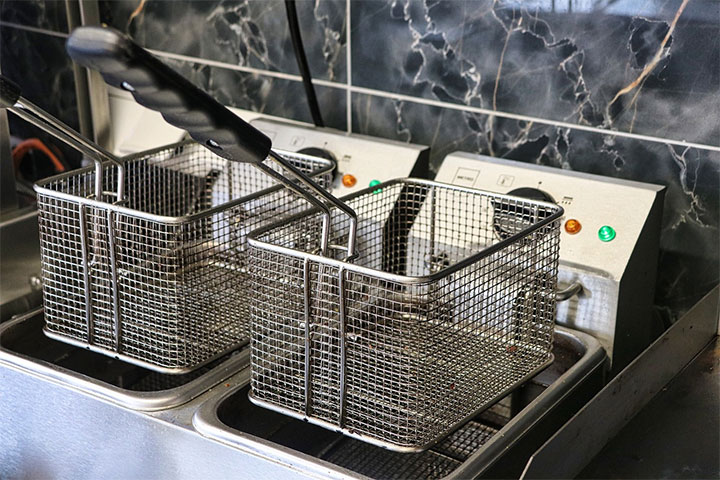
Easy-to-clean fryers save time and reduce labor costs. Models with removable fry baskets, rounded corners and stainless steel construction are easier to wipe down. Regular maintenance prevents breakdowns and keeps your cooking equipment in top condition.
Floor models often come with built-in drain valves for quick oil disposal, while countertop fryers are easier to move and clean. Ensuring your fryer is simple to maintain helps keep your kitchen efficient and hygienic. Investing in fryer accessories like cleaning tools can also make the process faster and more effective.
The right fryer isn’t just equipment—it’s key to your kitchen’s success. It improves food quality, saves time and keeps your team safe.
Just like the right fryer matters, sharing helpful content can grow your business by attracting more customers. Equip your kitchen—and your business—for success!
If you are thinking to open a new business or are in the process of rebranding and remodeling your existing business, contact us to get a free consultation from Mindful Design Consulting. Click HERE to price your project design.
Also, take a look at the “Branding By Interior” e-book, the only book written on this subject at this time. It brings insight into how you can turn your business into a market-dominating competitor by using human cognitive responses.
See our Small Store Design Extravaganza: Commercial Interior Design and Branding 01 book about branding small businesses from logo design to construction, with colorful images, offering insightful explanations every step of the way.





Leave a Reply
Want to join the discussion?Feel free to contribute!