Warm or Cool? Why Lighting Design Matters to Your Customers
When it comes to creating the right vibe in your space, lighting does a lot more than just help people see. The color temperature of your lighting—whether it’s warm or cool—can actually shape how customers feel, what they notice, and how long they stick around. Lighting design can even affect how appetizing your food looks. In short, lighting can sell.
Most business owners think about lighting last, or just go with whatever “looks nice.” But once you understand how color temperature and fixture placement work, lighting design becomes a tool — one that can help increase comfort, improve mood, and subtly guide customer behavior.

Warm vs. Cool — What’s the Difference?
In simple terms, warm lighting gives off soft, yellowish tones—think candlelight, a sunset glow, or Edison bulbs. It creates a relaxed, cozy, and inviting atmosphere. Cool lighting, on the other hand, has a bluish-white tone, similar to daylight or typical office lighting. It feels clean, modern, and energizing.
Most lightbulbs list their color temperature in Kelvins (K): warm lighting generally falls between 2700K and 3000K, while cool lighting typically ranges from 4000K to 5000K or higher. Understanding this basic difference is the first step in choosing lighting that aligns with your space’s purpose. The kind of lighting design you choose can really influence the mood of your space—and how your customers experience it.
Warm Lighting Makes People Stay Longer
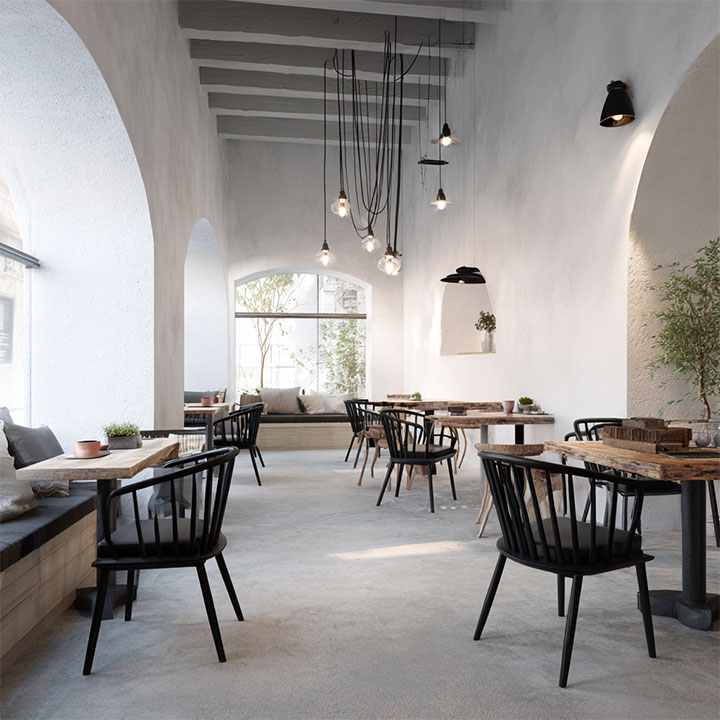
Warm lighting tends to make people feel at ease. In places like cafés, salons, boutique retail shops, or restaurants, it creates a cozy vibe, encouraging customers to linger — and maybe order dessert or another drink. A soft glow over a dining table, for instance, can make the experience feel more intimate and enjoyable—often leading to longer visits and, potentially, higher spend per customer. It is perfect for restaurants aiming for a relaxed or romantic mood, coffee shops or dessert bars where people come to sit and chat, and waiting areas where comfort matters.
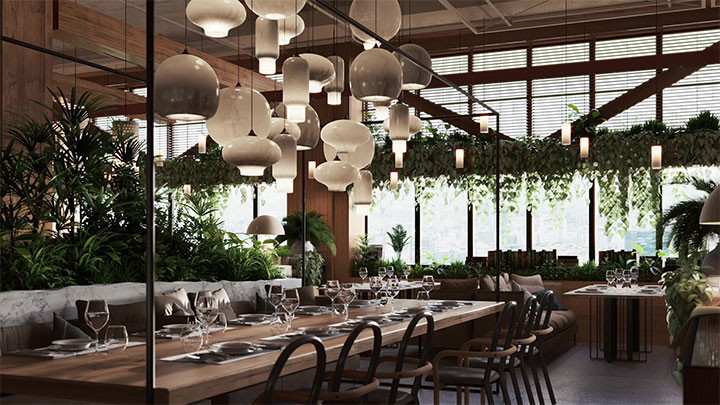
To help customers feel comfortable and stay longer, use warm pendant lights or soft table lamps to create a more intimate setting without dimming the entire space too much.

Cool Lighting Grabs Attention (but Doesn’t Always Keep It)
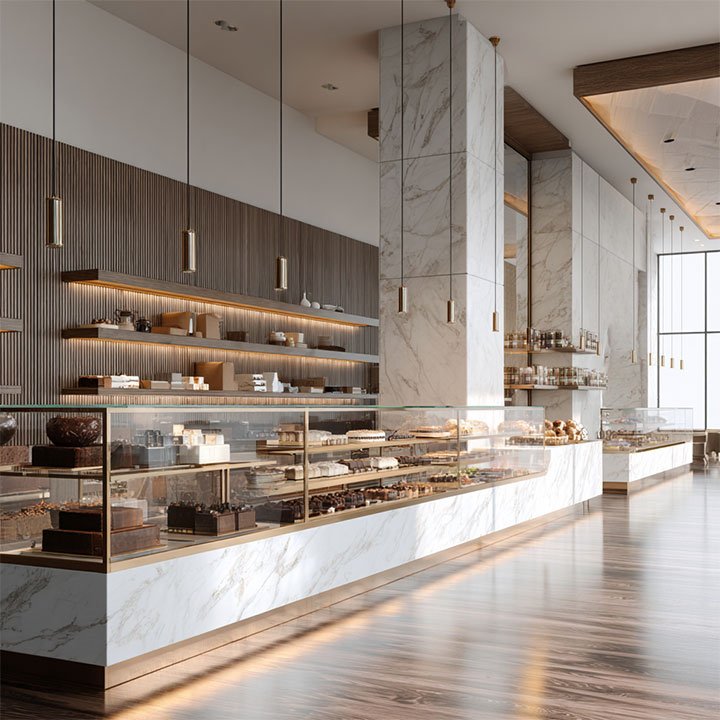
In contrast, cool lighting is more activating and makes things pop. It’s great for visibility and showcasing details—like food displays, where it highlights colorful dishes, pastries, or packaged products, and order counters, where clarity is key. You’ll often find cooler lighting in environments where speed, precision, and efficiency matter, such as grocery stores, fast-casual restaurants, or tech shops. In these settings, the goal is to keep people moving, make product details easy to see, and create a bright, modern atmosphere.
Cool lighting’s bright, bluish tones work especially well when you want to show off clean design elements or modern interiors. That said, too much cool light can feel harsh or sterile, potentially discouraging people from hanging around. That’s why it’s important to find the right balance—using cool lighting where you need it, but pairing it with warmer tones when you want to create a more inviting, comfortable vibe. This can help you create a space that supports the kind of customer experience you want to offer.
In short, warm lighting invites people to stay. Cool lighting keeps things moving.

How Lighting Changes the Way Food Looks
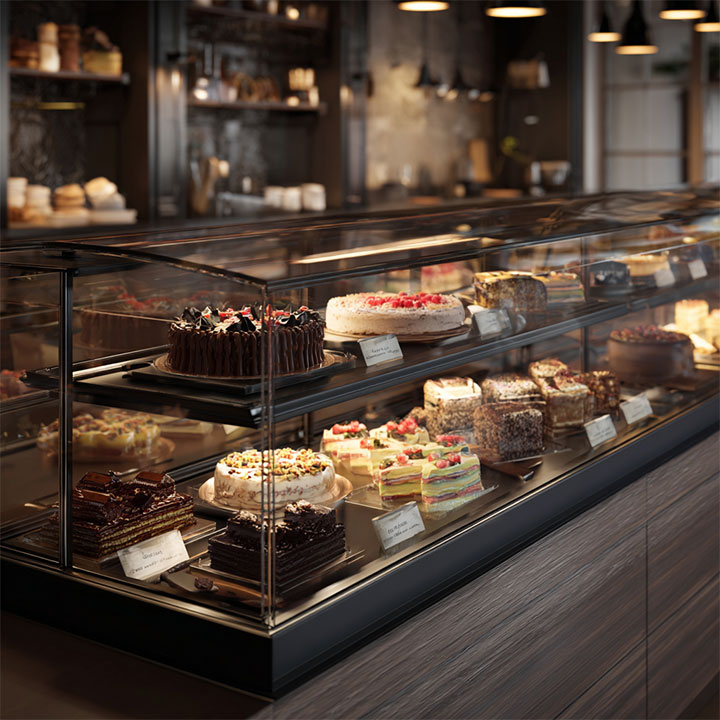
One of the most overlooked effects of lighting design is how it changes the appearance of products and food. Warm lighting enhances deep, natural tones and tends to make food look richer and more appetizing. Think about how golden a croissant looks under soft, warm light—it appears freshly baked and delicious.
By contrast, cool lighting can make food look sharp and clean, but it might wash out warm-toned dishes. That means your golden croissant could end up looking a bit flat. However, for salads, smoothies, or anything bright and fresh, cool light might actually help those colors pop.
If you’re serving food or beverages, especially in a sit-down environment, warm lighting is usually the better choice—especially when you’re showcasing comfort food, desserts, or anything with golden browns and deep reds. It helps create an atmosphere that makes the food look as good as it tastes. On the other hand, cooler lighting can work well in prep areas or quick-service counters where speed and functionality matter more than ambiance.
Why Fixture Placement Matters
Beyond just picking warm or cool tones, where you place your lights really makes a big difference. Overhead lighting gives you general brightness and sets the mood for the whole space, but on its own, it usually isn’t enough. To make your space feel more interesting and work better, it helps to layer your lighting. Accent lighting—like shelf lights, under-counter LEDs, or spotlights—can highlight specific products or features and make them pop. Table-level lighting or soft pendant lamps add atmosphere and encourage people to slow down and enjoy themselves, creating cozy little spots around the room.
In retail stores, targeted lighting like pendant lamps, wall sconces, or directional spotlights can draw attention to special displays, while in salons, task lighting over styling stations helps the stylist see clearly and keeps clients comfortable. Checkout counters also benefit from focused task lighting to get things done right. By mixing different layers of light—bright where you need it and warm and inviting where you want people to relax—you can really shape how your space looks and feels.
Guiding the Eye with Lighting
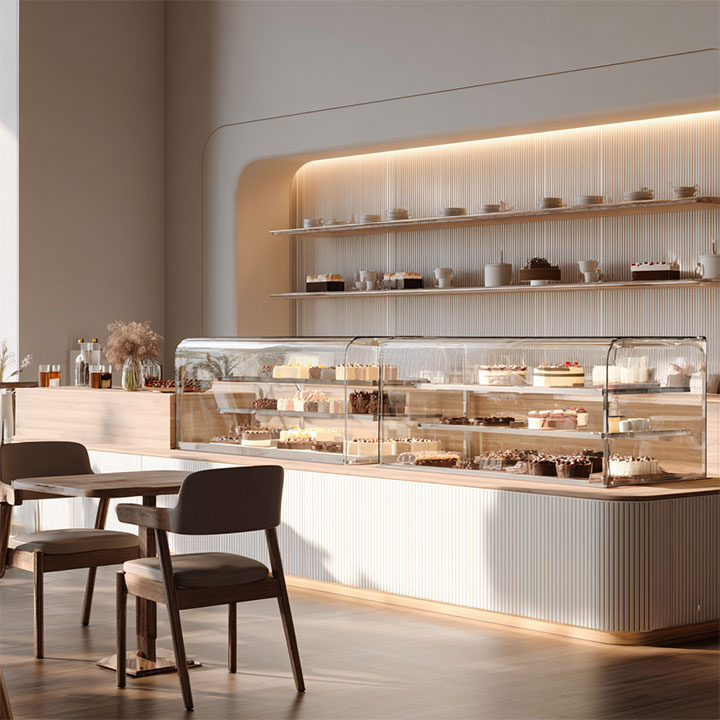
Lighting doesn’t just set the mood—it subtly guides what customers notice first. Warm lighting draws attention to texture and comfort, making details like plush seating, exposed brick, wooden shelving, or soft fabric accents stand out. It works especially well in cozy corners, lounge areas, or anywhere you want people to slow down and take in the atmosphere. Cool lighting, on the other hand, emphasizes clarity and color. It highlights clean lines, sleek surfaces, and vibrant products—ideal for showcasing merchandise, modern fixtures, or colorful menu items. It also helps with practical visibility, making it easier for customers to read signs, labels, and menus.
Accent lighting is another powerful tool. A backlit mirror in a salon, a glowing sign behind the bar, or small directional lights highlighting individual menu boards can all subtly pull the eye where you want it. These focused touches don’t just illuminate—they create focal points that help guide the customer experience.
Creating Zones with Lighting
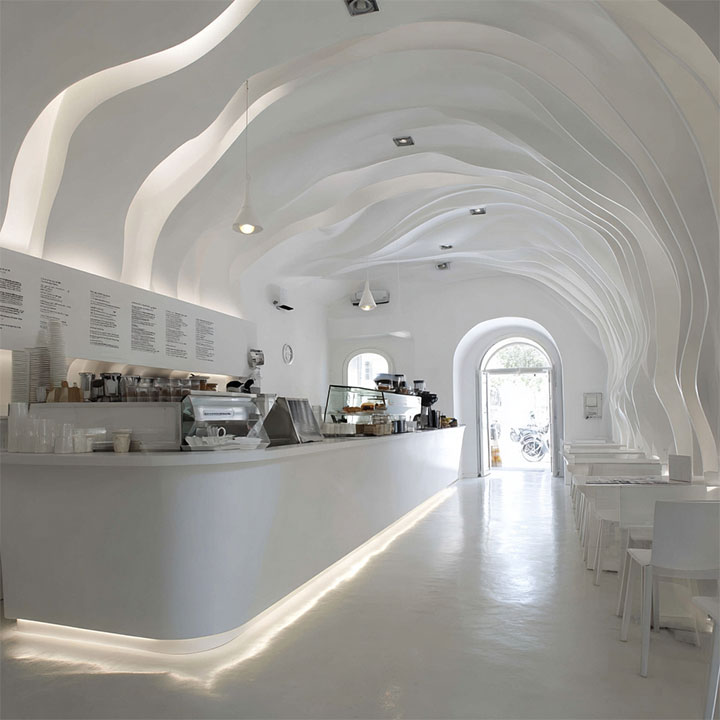
One effective strategy is to create lighting “zones” within your space. Different parts of your business serve different purposes, and the lighting can support those shifts in energy. For instance, in a café, you might want cooler lighting near the counter so customers can easily read the menu or make quick decisions, but switch to warmer, softer lighting in the seating area to encourage longer stays. In a retail store, cool lighting might be ideal in display windows to attract attention from outside, while warmer lighting in the fitting rooms creates a more flattering, comfortable experience. These subtle transitions in lighting can guide customer flow and create a more intuitive, pleasant environment.
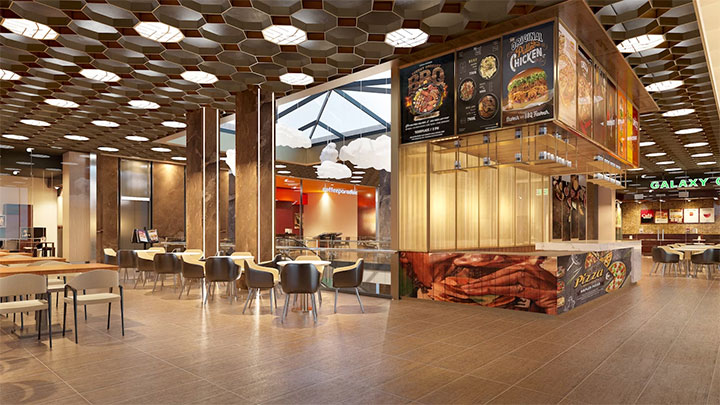
You don’t need a full renovation to make lighting work for you. A few changes to the temperature and placement can completely shift the mood — and your customers’ behavior. So before you hang that next fixture or buy another bulb, think about the feeling you want people to have — and let your lighting design do the talking.
If you are thinking to open a new business or are in the process of rebranding and remodeling your existing business, contact us to get a free consultation from Mindful Design Consulting. Click HERE to price your project design.
Also, take a look at the “Branding By Interior” e-book, the only book written on this subject at this time. It brings insight into how you can turn your business into a market-dominating competitor by using human cognitive responses.
See our Small Store Design Extravaganza: Commercial Interior Design and Branding 01 book about branding small businesses from logo design to construction, with colorful images, offering insightful explanations every step of the way.