Copper is the ultimate accent metal that can effortlessly elevate any interior style. Whether it’s a sleek modern space, a cozy rustic retreat, or a classic traditional setting, copper adds warmth, sophistication, and character. Its natural finish blends seamlessly with wood, glass, or marble, while polished or brushed versions offer a touch of glamour. From statement lighting fixtures and hardware to subtle accents like trims or decorative pieces, copper’s timeless appeal makes it a perfect choice for enhancing interiors across all design aesthetics.
Copper’s special brightness accentuates a degree of elegance that fits the rawness of industrial-style designs when combined with concrete, steel and glass, regardless of the project.
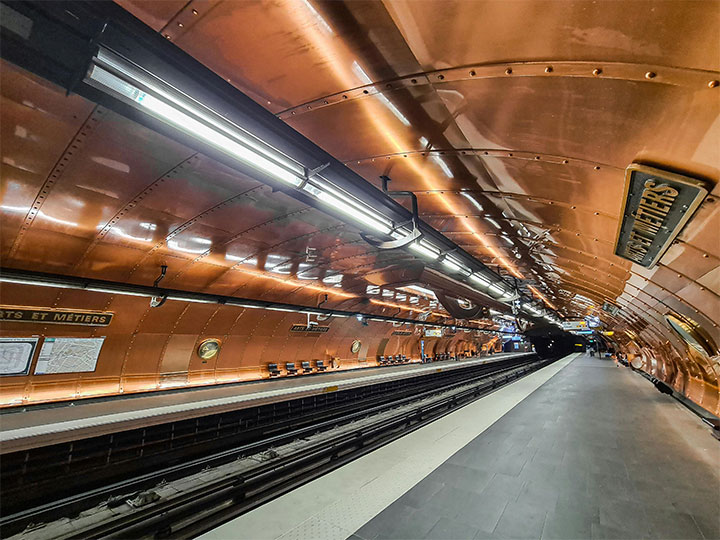
Railway station in Paris
Cultural Significance
More than just a material, copper carries a resonance that speaks to us through its warmth, history and beauty. Copper holds deep cultural and religious significance, particularly in its use for traditional Jewish artefacts and ceremonial objects, such as those found at Israeli Centre of Judaica. This historical connection highlights copper’s timeless nature, transcending religious settings into modern architecture and interior design.

Jewish Copper Wall Hanging

Incorporating copper into design elements such as light fixtures, railings or furniture accents in business spaces creates a sense of continuity between past and present. Its use in commercial design not only adds aesthetic appeal but also infuses a space with cultural depth and meaning.
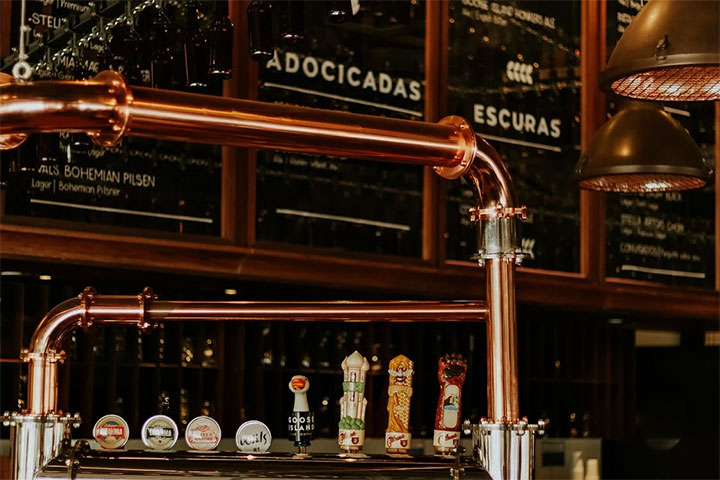
The Aesthetic Benefits of Copper in Industrial Spaces
In industrial environments and interiors, copper’s warm tones contrast the coolness of concrete and steel, therefore balancing ruggedness with warmth. Copper’s patina changes over time to a green-blue color, adding complexity and historical significance. Its adaptability allows it to be left to age naturally or polished for brilliance, making it suitable for large architectural details as well as more subdued accents like signage or cabinetry. This flexibility guarantees that copper enhances industrial designs, providing a timeless, dependable look and visual appeal.
Durability and Functionality
Copper is quite practical and durable outside of its appearance. For millennia, this metal has been employed in building materials. Its resistance to corrosion and wear makes it still very valuable today. Copper is perfect for office buildings that see a lot of use in high-traffic commercial areas where durability is crucial, as it stands the test of time. From doors to conference rooms, copper’s robustness guarantees that it stays a long-lasting architectural and design feature that ages elegantly.
Copper is also a sensible choice for shared spaces in office buildings due to its high resistance to germs. In today’s world, where companies prioritize sanitation and hygiene, copper’s antibacterial properties are particularly significant. Incorporating copper into frequently handled surfaces—such as light switches, door handles and even countertops—helps maintain a cleaner and healthier office environment.
Copper as a Symbol of Sustainability
Given the rising importance of sustainability to many businesses, copper’s environmental friendliness adds another level of appeal. Copper is 100% recyclable, and its use in building or interior design projects helps to reduce the environmental impact of these projects. Because copper can be reused without sacrificing its structural integrity or aesthetic appeal, many architects and designers are now choosing it. This makes it an ideal choice for businesses that prioritize sustainability and wish to convey that value through their interiors.
Beyond Industrial Buildings and Interiors
Copper’s versatility as an accent metal, however, extends well beyond industrial styles. Its warm tones and timeless appeal allow it to be seamlessly incorporated into a range of aesthetics, from rustic and farmhouse to contemporary and minimalist interior spaces.

In farmhouse and rustic styles, copper adds an authentic, lived-in charm. Used in kitchen backsplashes, range hoods, and exposed pipe shelving, its natural warmth enhances wood accents and stone elements, creating a cozy, inviting ambiance.
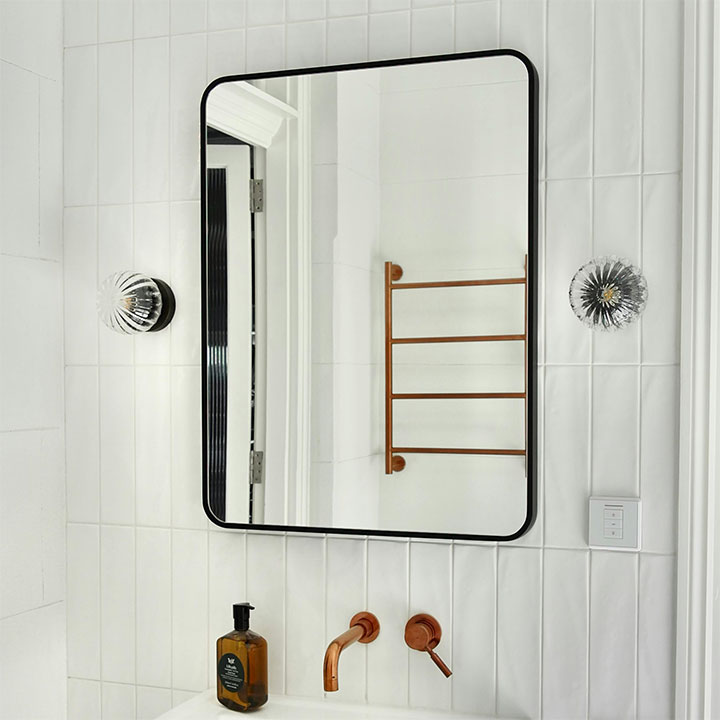
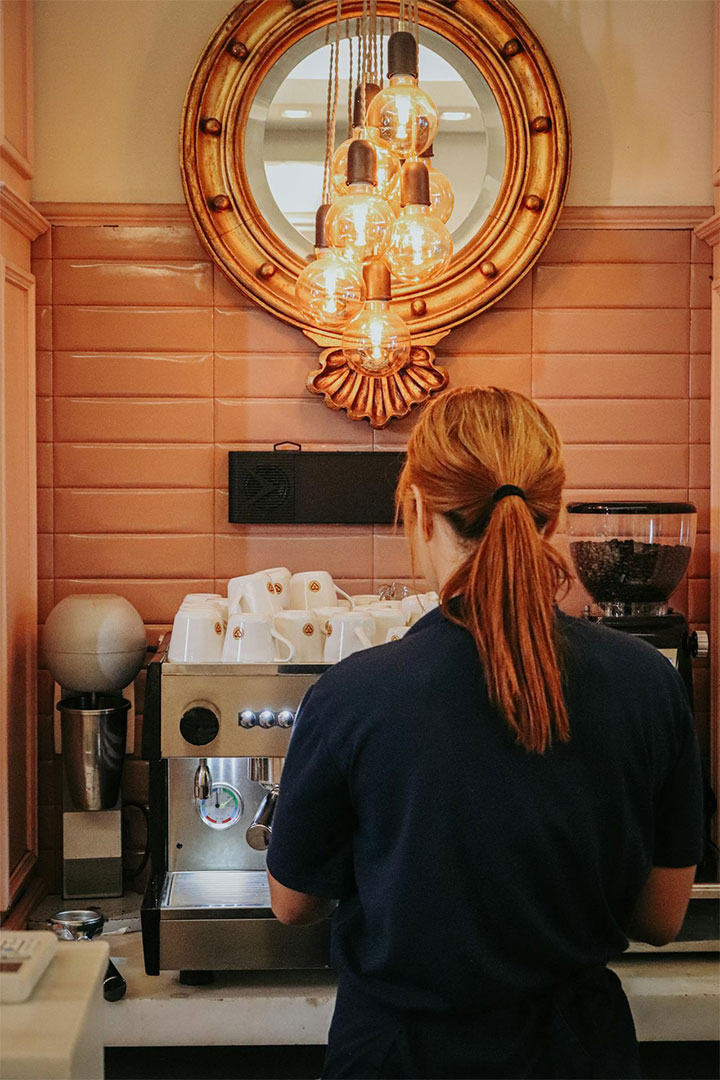
In Art Deco-inspired spaces, polished copper trim on furniture, mirrors, and lighting fixtures adds a glamorous edge, highlighting the opulence and geometric precision typical of the style. Copper’s versatility as an accent metal in these settings allows it to seamlessly integrate as a feature that is both functional and ornamental.

Copper’s beauty, durability and cultural significance make it the ideal accent metal for industrial-style offices. Its natural aging process adds warmth and character, while its versatility complements minimalist designs. Whether for aesthetic appeal or historical value, copper enhances any space, blending modern design with a sense of tradition. Consulting with design experts like those at the Israeli Centre of Judaica can provide valuable insights into how copper can elevate your space’s visual and symbolic elements, making it a timeless design choice.

If you are thinking to open a new business or are in the process of rebranding and remodeling your existing business, contact us to get a free consultation from Mindful Design Consulting. Click HERE to price your project design.
Also, take a look at the “Branding By Interior” e-book, the only book written on this subject at this time. It brings insight into how you can turn your business into a market-dominating competitor by using human cognitive responses.
See our Small Store Design Extravaganza: Commercial Interior Design and Branding 01 book about branding small businesses from logo design to construction, with colorful images, offering insightful explanations every step of the way.








Leave a Reply
Want to join the discussion?Feel free to contribute!