
Why Luxury Retail Stores Use Natural Materials Instead of Glossy Finishes

Luxury shops are well-designed, and every aspect of retail affects shoppers’ sentiments. Lights, music, colors, and materials all work together to create a specific mood. In the past, many luxury institutions chose glossy surfaces, cool modern interiors, and shiny finishes to appear rich, clean, and highly polished, but many brands are now changing direction.
Natural materials are increasingly used in shop design because they feel more cosy and welcoming. Wood, stone, and linen make stores feel more human and less commercial, which encourages customers to spend more time in comfort. This is one of the main reasons luxury brands are shifting toward natural finishes instead of glossy ones.
Today, modern fashion boutiques, wellness centers, beauty parlors, and even electronics stores often use wooden worktops, shelving, and natural textures. These design choices help brands connect more emotionally with customers, making the stores feel informal, approachable, and welcoming.
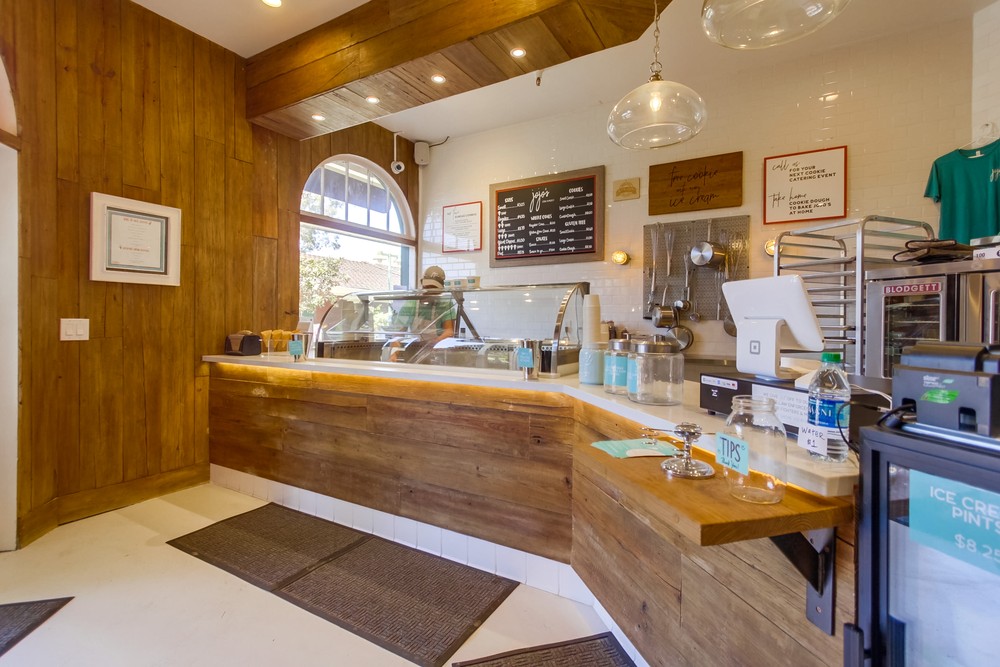
JoJo’s Creamery Ice-cream shop design by Mindful Design Consulting
How Natural Materials Create Emotional Warmth in Retail Spaces
Natural materials can change a store’s vibe, and wood is especially effective because it feels warmer than glossy or synthetic surfaces. When a store includes more natural textures, it often feels cozier and more intimate, which is an important emotional factor in premium retail.
Many designers use wood to add character to a space. In contrast, metallic finishes and polished stone can feel cold or overly perfect. Natural wood, with its texture, color variation, and organic appearance, brings more life into a store, and even small details like this can make a noticeable difference in how the space is experienced.
For example, butcher block countertops are often used in boutique retail spaces because they combine beauty with warmth. They appear relaxed while still feeling refined and high quality. Customers often associate natural wood with authenticity, comfort, and craftsmanship, and this emotional response can influence their overall purchasing experience.
Today, luxury retail goes beyond commodities: It involves emotions too. Companies want customers to remember both what they bought and how the store felt. In this way, natural materials help create a stronger emotional connection.

Why Wood Countertops Make Customers Feel More Comfortable and Relaxed
Luxury establishments often use wooden counters to create a calm and harmonious atmosphere. Warm materials tend to evoke different emotional responses compared to glossy finishes, and wooden surfaces often appear softer even before any physical contact.
In fashion stores, wooden counters contribute to a quiet, refined, and elegant environment. Instead of feeling rushed, customers are more likely to feel relaxed while browsing. This encourages greater interaction with products and often leads to slower, more intentional exploration of the store.
Wellness brands also frequently rely on wood because it communicates warmth and self-care. Stores selling natural products, skincare, cosmetics, or candles aim to make visitors feel comfortable from the moment they enter. Wooden counters are especially effective in these settings because they feel organic, soft, and natural.
There are several key reasons brands choose wooden surfaces:
- They create emotional warmth
- They soften commercial interiors
- They make stores feel more welcoming
- They encourage customers to stay longer
- They improve perceived product quality
- They help brands feel more human
Luxury shopping today is closely tied to overall experience. Customers want to enjoy the atmosphere as much as the products themselves while they explore. Wood helps create that sense of comfort without making the space feel overly formal, artificial, or cold.

The Psychology of Browsing: How Soft Textures Encourage People to Stay Longer
A psychologist and a shop designer share similar goals. Store atmosphere and interior design can strongly influence customer behavior. Natural materials and soft textures are particularly effective at encouraging relaxation.
Glossy surfaces often create psychological distance. Although they may appear professional, they can also feel cold or intimidating. In contrast, natural materials feel more welcoming. Matte finishes, soft textiles, and wooden surfaces tend to calm visitors and create a more uplifting experience.
When shoppers feel comfortable, they naturally tend to browse more. They are more likely to spend additional time exploring products, interacting with displays, or simply relaxing in the space. Luxury brands understand that emotional comfort plays a key role in the decision to buy.
In modern retail environments, customers expect more than just merchandise. Many people now look for inspiration and experience when they visit a store. The space itself is expected to feel serene and memorable, and natural textures contribute significantly to this effect.
Wood surfaces also interact with lighting in a distinctive way. Rather than reflecting light harshly like glossy coatings, natural or matte wood finishes diffuse light more softly. This creates a more pleasant atmosphere, helps customers feel at ease, and ultimately makes the store environment visually more appealing.

From Fashion Boutiques to Electronic Stores: Why Brands Choose Wood Surfaces
Many retailers today incorporate natural wood into their store design. In fashion boutiques, wood is often paired with muted colors and soft lighting to create spaces that feel elegant and timeless. The goal is to communicate quality and attention to detail while also making customers feel comfortable.
Wellness and beauty brands also frequently use wood because it aligns closely with their identity. These companies often promote ideas such as natural living, harmony, and peace, and wooden surfaces help express these values nonverbally. As a result, customers can immediately understand the intended brand mood the moment they enter the space.
Even electronics companies are increasingly adopting natural materials in their retail environments. While their products are typically made of metal, glass, and plastic, wood provides a striking contrast. It softens the overall atmosphere and helps make cutting-edge technology feel more accessible and less intimidating.
Modern premium retail design is no longer focused on glossy, reflective surfaces as the primary way to signal luxury. Instead, many brands aim to create authentic emotional experiences, and natural materials like wood are an effective way to achieve this shift.
Wood is especially valued for its versatility. Depending on how it is used, it can appear modern, classic, minimalist, or innovative. This adaptability allows marketers and designers to craft unique store environments while still preserving the natural warmth and emotional appeal that wood provides.

How Apple Stores Use Wooden Tables to Balance Technology with Human Connection
Apple demonstrates that natural materials can enhance retail design. Its stores are widely recognized for their large oak tables, which stand in contrast to the otherwise clean and modern interiors.
The products themselves are technologically advanced and minimalist. Tablets, phones, and computers rely on metal and glass, and without a counterbalance, the environment could easily feel cold, sterile, or even robotic. The introduction of wooden tables helps prevent this effect.
Wood adds warmth and a calming presence. It makes the space feel more comfortable and personal, allowing technology to be presented in a way that feels approachable rather than distant or impersonal. The natural texture of wood also creates a clear contrast with the sleek surfaces of modern devices.
Apple Stores are designed to encourage exploration. Customers are invited to browse, touch, and test devices freely, and the wooden surfaces reinforce this openness by making the environment feel welcoming rather than intimidating.
This design approach reflects a broader trend in modern retail: emotional connection matters as much as function. Technology alone is not enough. Brands must also create environments that feel inviting, curious, and relaxed.

Retail design has been changing in a bigger way. Brands are not just trying to make stores look impressive anymore, but to show who they are through simpler and more thoughtful choices. Across different industries, materials are being used less for decoration and more to reflect a brand’s identity and values.

MISO Ramen & Poke Bar Japanese restaurant franchise design by Mindful Design Consulting
Mindful Design Consulting is a commercial interior design and branding studio specializing in franchise and multi-location brand expansion. We help growing brands create scalable, consistent, and emotionally engaging environments rooted in the psychology of design. Our work goes beyond aesthetics. We design spaces that influence how customers feel, behave, and connect with a brand.
If you are thinking to open a new business or are in the process of rebranding and remodeling your existing business, contact us to get a free consultation from Mindful Design Consulting. Click HERE to price your project design.
Also, take a look at the “Branding By Interior” e-book, the only book written on this subject at this time. It brings insight into how you can turn your business into a market-dominating competitor by using human cognitive responses.
See our Small Store Design Extravaganza: Commercial Interior Design and Branding 01 book about branding small businesses from logo design to construction, with colorful images, offering insightful explanations every step of the way.