
The Power of Scent — A Brief History of Aroma in Marketing

Using aroma in marketing might sound like a modern strategy, but it’s been around for centuries. Long before the term scent marketing existed, businesses across cultures were already using smell to attract customers, shape atmosphere, and influence buying behavior. Sometimes it was intentional; other times, it came from instinct or tradition. Either way, scent—what we now call scent marketing or ambient scenting—has a surprisingly long history that predates modern advertising.

Where It All Started — Ancient Markets and Aromas
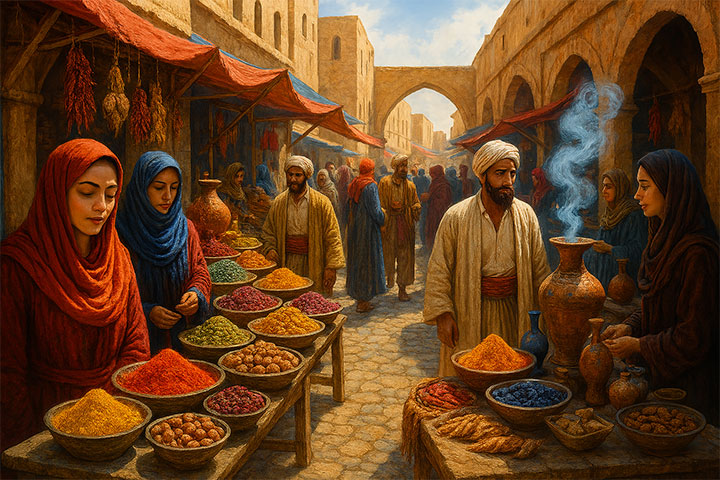
The earliest examples go way back to ancient Greece, Rome, and Middle Eastern bazaars. Merchants in those crowded, often smelly marketplaces would burn incense or herbs near their stalls. It wasn’t just about masking unpleasant odors—it was a clever way to draw people in and create a more inviting space. These were the first ambient scenting efforts, done intuitively and without machines, but still quite effective.
Bakeries, Coffee Houses, and the Power of Fresh Smells
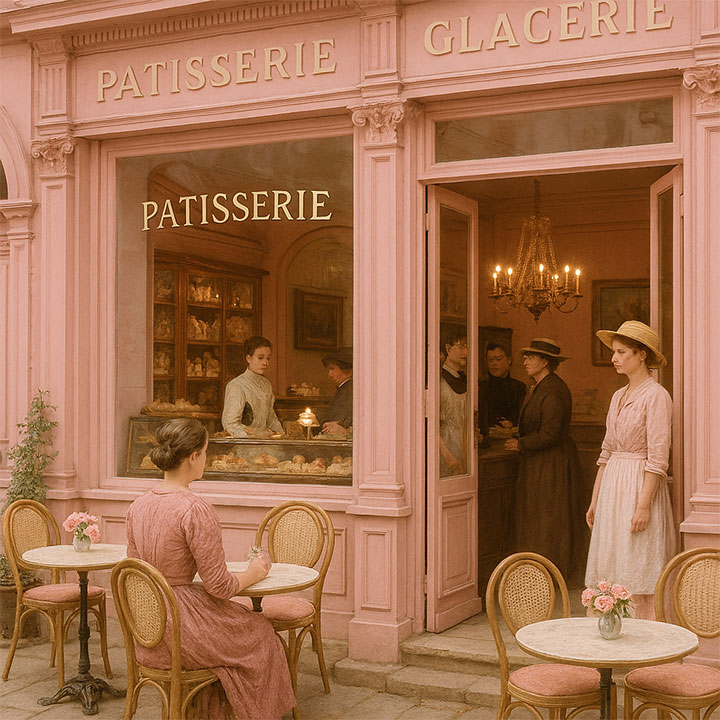
Fast-forward to 18th and 19th century Europe, where bakeries started timing their bread baking so the warm, yeasty aroma would drift out onto the street. It was their version of a sidewalk ad. Similarly, early coffee houses in England and France roasted or brewed near their front entrances to lure passersby with the rich, comforting smell of fresh coffee. No fancy tech—just good timing and strategic placement.
How Scent Went From Passive to Engineered
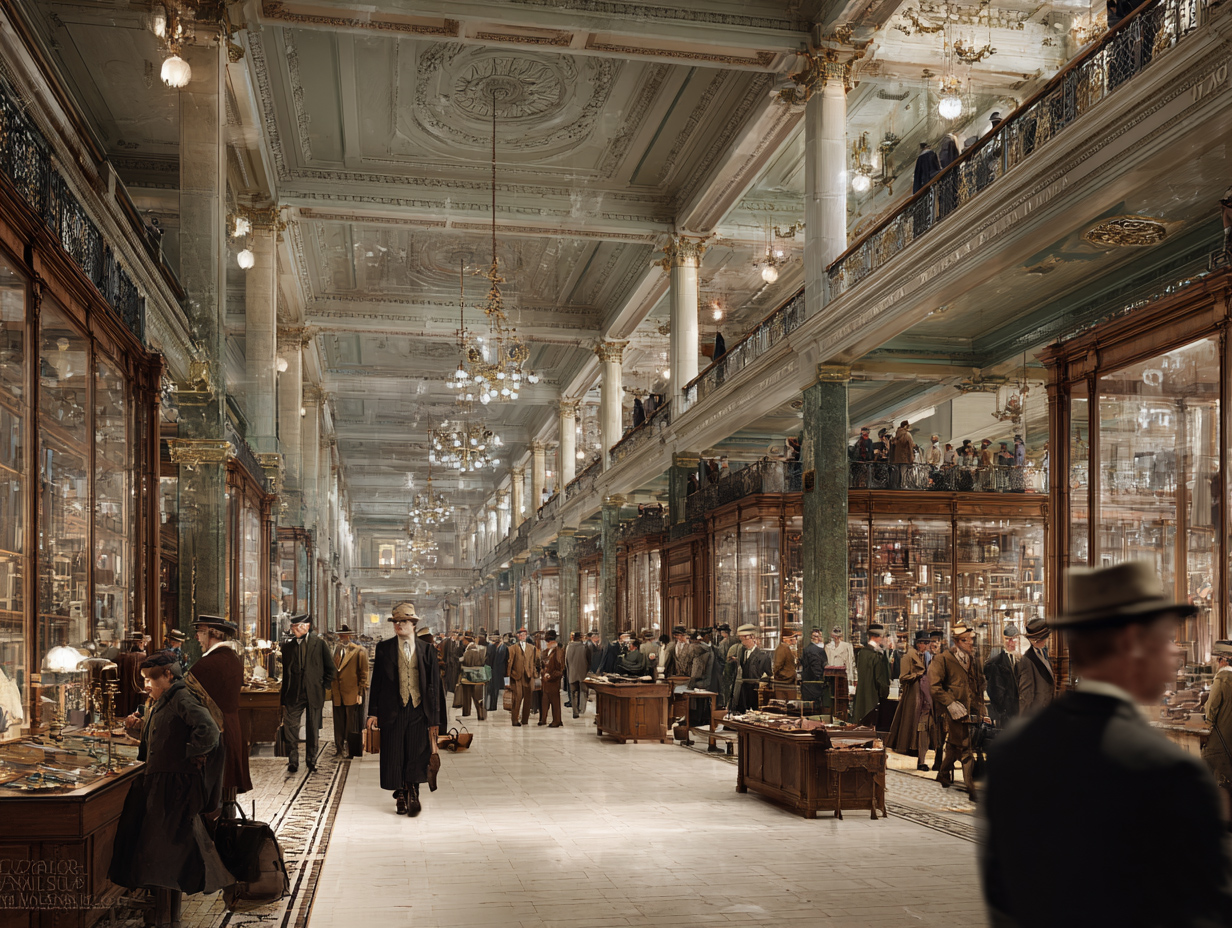
By the early 1900s, department stores like Macy’s and Selfridges were using scent more intentionally—not just from perfume counters, but from things like fresh flowers or roasted coffee placed near entrances to make the store feel welcoming from the moment someone walked in. Then, in the 1950s and 60s, fast-food pioneers like McDonald’s figured out how to design their kitchens and ventilation systems so the mouthwatering smell of fries and burgers would drift out toward the street. That smell? It wasn’t high-tech scent marketing—but it wasn’t an accident either.
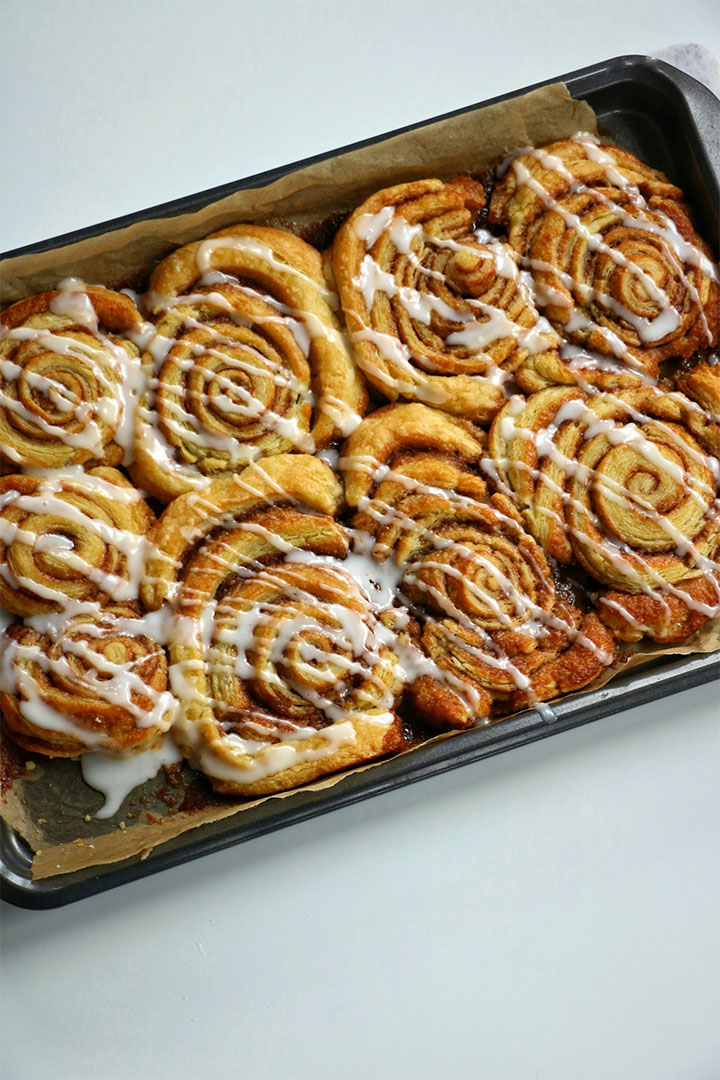
By the 1970s and 80s, Cinnabon took it to the next level. They famously placed their ovens right up front—not in back kitchens—and timed their baking to match peak mall hours. By avoiding enclosed baking areas, the smell of warm cinnamon rolls could drift freely. It filled the mall corridors just as people were walking by, which created a now-iconic brand association—many people could identify a Cinnabon before they even saw the shop. It worked so well that today, Cinnabon is often cited as one of the earliest examples of modern scent marketing done right. While ancient and traditional markets used scent intuitively, Cinnabon is credited to be the first widely documented modern commercial case of using aroma specifically as a deliberate, engineered marketing strategy.
The Rise of Signature Scents and Professional Diffusion
In the 1990s, companies like Abercrombie & Fitch and Hollister started pumping signature scents through HVAC systems directly into their stores and entrances. These weren’t just perfumes—they were carefully crafted fragrance blends tied to the brand’s identity. The scent became part of the shopping experience, just like the music or lighting.
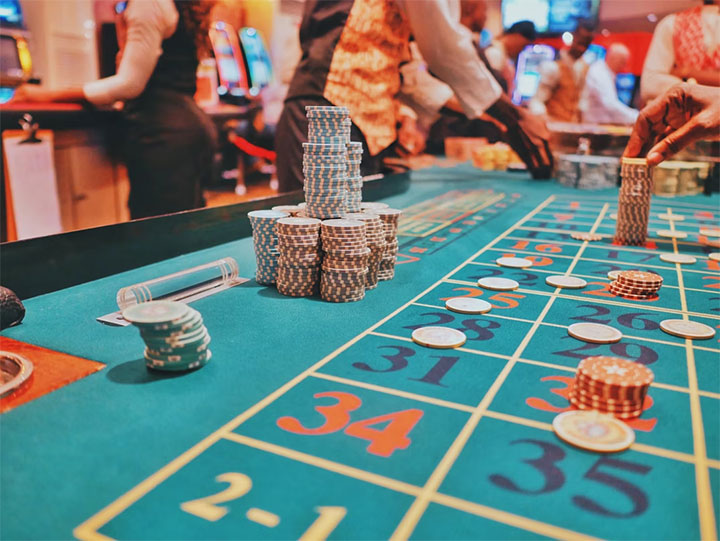
Soon after, places like Las Vegas casinos jumped on board. Casinos like the Mirage and Bellagio began scenting gaming floors with pleasant, calming aromas to help guests stay longer and feel more relaxed. Around the same time, Singapore Airlines introduced a signature scent—Stefan Floridian Waters—in their cabins and lounges, making them one of the first to use fragrance as part of their brand experience across multiple locations.
By the 2000s, scent marketing had become an industry of its own. Companies like ScentAir and Air Aroma began working with retailers, hotels, casinos, and even real estate developers to design custom scents and distribute them using high-end diffusion systems. These systems allowed for precise control—consistent intensity, programmable timing, and a wide variety of scents tailored to different environments. All these cases marked the shift from passive scent (like baking bread) to engineered scent dispersion.
What Your Store Can Do Today
So, what does all of this mean for your store? Simple: aroma in marketing is one of the most underused yet powerful ways to influence how customers feel in your space. Whether you’re running a boutique, a spa, a bakery, or a tech showroom, the right scent can set the tone, build your brand, and even boost sales.
You don’t need to be a global brand to get started. Consider what kind of feeling you want your customers to have—relaxed, energized, nostalgic—and choose a scent that matches. There are affordable scent diffusers available now, or even simpler options like scented candles or essential oil warmers (just make sure they’re safe and subtle). Even placing your coffee machine or baked goods strategically can make a difference.
You can also experiment with seasonal scents—like cinnamon and clove in the fall, or citrus and linen in the summer—to create emotional cues that align with customer expectations. A clothing store could use a clean, fresh scent to evoke luxury. A bookstore might try warm vanilla or sandalwood to encourage lingering. A dessert shop can highlight sweet aromas like chocolate, caramel, or baked sugar to stir up cravings and increase impulse buys. Even a pet store can use aroma in marketing to mask odors while making the space feel more inviting.
The history of aroma in marketing shows that scent has always been more than just a pleasant detail—it’s a strategy. In a world full of visual noise, scent is your silent advantage. Use it wisely—and make sure it smells like you.

Boutique retail shop concept by Mindful Design Consulting

Sift Dessert Bar design by Mindful Design Consulting
If you are thinking to open a new business or are in the process of rebranding and remodeling your existing business, contact us to get a free consultation from Mindful Design Consulting. Click HERE to price your project design.
Also, take a look at the “Branding By Interior” e-book, the only book written on this subject at this time. It brings insight into how you can turn your business into a market-dominating competitor by using human cognitive responses.
See our Small Store Design Extravaganza: Commercial Interior Design and Branding 01 book about branding small businesses from logo design to construction, with colorful images, offering insightful explanations every step of the way.