
Design Mistakes New Franchise Owners Should Avoid
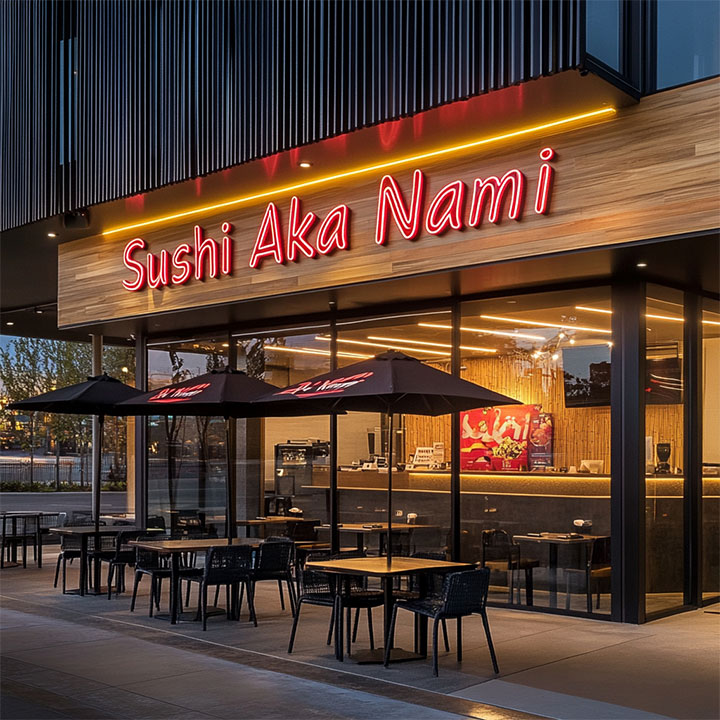
Launching a new franchise is an exciting leap — but without the right design decisions, even the most promising concept can fall flat. We’ve seen it all: awkward layouts, disjointed branding, DIY visuals that scream “template” instead of “trademark,” and a myriad of other design mistakes. Whether you’re opening your first frozen dessert shop, a trendy boba cafe, or a wellness-focused vape and CBD store, the space you create speaks volumes before a single product is sold.
At Mindful Design Consulting, we’ve worked with countless first-time franchise owners, and we understand the pressure to make every dollar count. But in the long run, cutting corners in design can cost far more than doing it right the first time. Here are the top design mistakes new franchise owners should avoid — and what to do instead.

La Michoacana desert shop design by Mindful Design Consulting
1. Not Creating Cohesive Guidelines for Franchisees
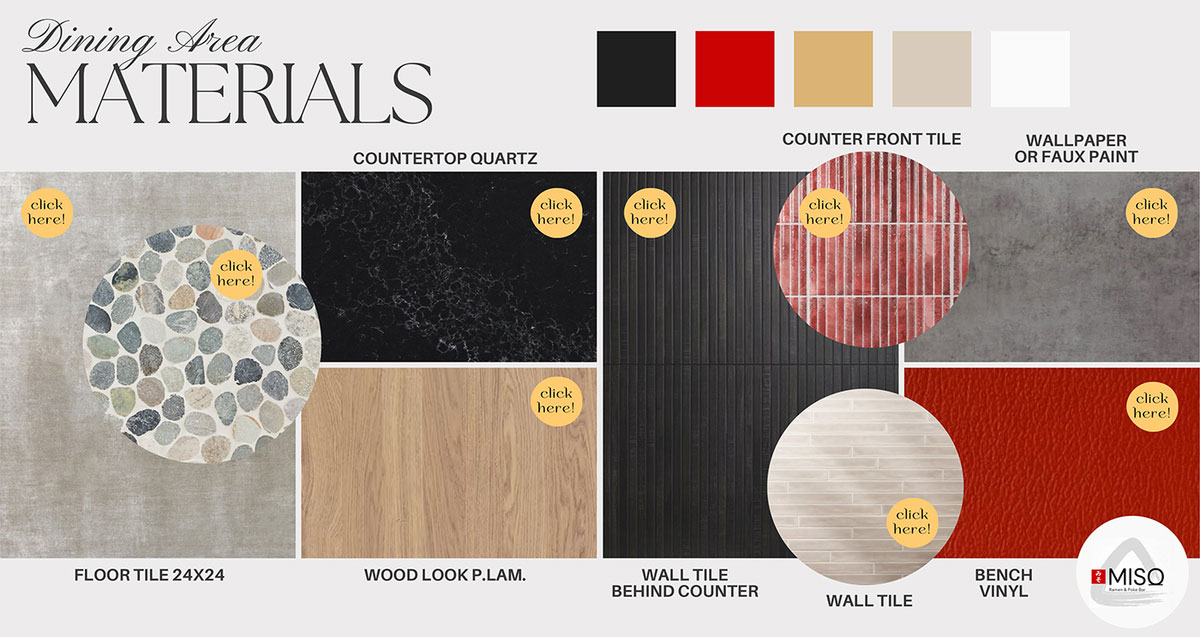
Without clear design and branding guidelines, your franchise locations can end up looking like entirely different businesses. We’ve seen locations with clashing color palettes, inconsistent signage, and differing furniture styles that confuse customers and dilute the brand identity. Every franchisee should receive a well-designed brand book with approved color codes, logo usage, interior finishes, signage specs, and examples of best practices. This keeps every location on-brand and professionally presented.
2. Not Building a Creative Team for Future Locations
Thinking short-term is a common misstep. If you’re not assembling a solid creative team—including a designer, brand strategist, and permit expert—you’ll find yourself reinventing the wheel for every new store and spending time hiring different designers for each location. We’ve had clients come to us after opening their first few locations without a design team, with complete inconsistency of each location.
Plan for scalability from day one with a team that knows your brand inside and out. It will save you and your franchisees all the headache of shopping for designers, architects, kitchen designers and interior designers. For example, Mindful Design Consulting serves clients across multiple U.S. states and Canada, offering a fully integrated team that includes a commercial kitchen designer, licensed architect, interior designer, and branding expert — all in one place to seamlessly handle every aspect of your project.

3. Not Asking for Feedback from Your Current Customers
Your customers are one of your greatest resources when refining or launching a brand. Skipping the step of testing your new brand elements with your actual audience is a missed opportunity. Simple surveys, comment cards, or social media polls can provide insight into what resonates. We once had a client ready to go live with a neon-heavy design concept, only to pivot after customer feedback revealed a preference for a more earthy, calming environment. The final result? A shop that felt both authentic and customer-approved.

Penny Lane frozen yogurt store logo versions by Mindful Design Consulting
4. Using Generic AI-Generated Branding
In today’s fast-paced digital world, it’s tempting to rely on AI tools to whip up a logo or social media graphic in seconds. But here’s the reality: if AI can generate it easily, anyone else can too—and that opens the door to serious branding and legal problems.
We’ve seen businesses step into their grand opening with pixelated, mismatched visuals that look like they were pulled straight from a stock image site. The result? A brand that feels forgettable, easily copied, and completely unoriginal. It also sends a subliminal message to potential customers that the quality of the product is nothing to talk about or completely unacceptable.
But the risks go beyond just bad interiors caused by unfortunate design mistakes. For example, AI-generated logos and mascots often can’t be trademarked because the rights to the images are unclear, and there’s no guarantee that your design is truly unique. In fact, because these tools draw from public data, someone else can generate a nearly identical version — and if they try to trademark it before you, you could be forced to rebrand or face legal disputes.
Your brand identity should be exclusive, cohesive, and emotionally resonant — the kind of visual storytelling that builds loyalty and recognition. That only comes from working with a professional who understands your vision, your customers, and your long-term goals — not just from typing a few words into a prompt box.
Imagine walking into a vibrant, personality-filled donut shop, only to see a mascot or logo that looks just like the one on a competitor’s packaging two blocks away. The impact is instantly diluted. Or consider a vape store trying to stand out, only to discover their AI-generated “futuristic” font is identical to five others on the same street. These shortcuts can cost you far more in the long run.
If you want to build a brand that lasts, start with design that’s thoughtfully created, legally protected, and unmistakably yours.

5. Ignoring Professional Advice
You hired a designer. Great! But are you listening to them? We’ve had clients who bring us on board for our expertise, only to override recommendations with design mistakes and choices that dilute their brand or disrupt function. For instance, choosing harsh overhead lighting because it’s cheaper, even after being advised to use warm, layered lighting for a more inviting feel. Or insisting on placing the service counter in a visually hidden corner because “it saves space.”
Designers aren’t just decorators — we’re strategists, problem-solvers, and customer experience architects. When franchise owners dismiss this insight, they often end up backpedaling later, investing more money and time to fix what could have been done right the first time. We once designed a gorgeous storefront with a strong focal point, only to have the owner replace the signage with a flat banner—killing the visual impact and costing them foot traffic.

Bobaroma boba tea shop deasign by Mindful Design Consulting
6. Inconsistent Branding Across Locations and Platforms
Franchise success is built on visual and experiential consistency. Yet we often see new owners treat each location like a one-off project, tweaking logos, changing color schemes, or experimenting with different signage styles. The result is a disjointed identity that confuses customers and weakens brand recognition.
Your colors, fonts, messaging, and layout principles should all be part of a unified branding guide. Whether someone walks into your Dallas shop or scrolls your Instagram page, they should instantly know it’s you. For example, we worked with a dessert brand that initially allowed each franchisee to design their own menu board styles. The outcome? A chaotic range of colors, fonts, and visuals that made it feel like five different companies.

Bobaroma boba tea shop design by Mindful Design Consulting
7. Poor Lighting Choices
Lighting is one of the most underestimated design elements that is very important to mention one more time. Cold, flickering fluorescents can kill the mood in a heartbeat. Too dim and your space looks uninviting; too harsh and it feels sterile. We’ve walked into beautifully designed spaces ruined by lighting that felt like a hospital hallway.
A well-lit space combines functional, ambient, and accent lighting. For a boba tea shop, that might mean glowing menu boards, warm pendant lights over seating, and subtle LEDs that highlight textures and colors. The goal? A welcoming environment that flatters your product and makes people want to stay (and take photos). We once revamped a smoothie shop that had only one central ceiling light. After adding layered lighting, customers stayed longer, shared photos online, and even commented on how “fresh” the space felt.

Lulu’s Ice-Cream Social design by Mindful Design Consulting
8. Inefficient Layouts That Frustrate Customers and Staff
Bad layouts aren’t just inconvenient — they are design mistakes that cost you money. A cluttered service line slows down staff, unclear customer paths create bottlenecks, and seating that blocks key views can stifle impulse purchases.
We’ve redesigned spaces where customers didn’t even know where to stand to order. Or stores where staff were bumping into each other due to cramped prep areas. Efficient layouts take into account customer flow, staff movement, and visual impact. In one dessert bar, we repositioned the POS counter to face the entrance and relocated merchandising shelves and refrigerators next to a line waiting to be served — boosting efficiency and impulse sales within days.

Sunny Scoop ice-cream and waffle shop by Mindful Design Consulting
The Bottom Line
First-time franchise owners have a lot on their plates, but smart design decisions are not the place to compromise. Don’t fall into the trap of generic visuals, DIY fixes, or cutting corners on layout and lighting — to name only a few design mistakes. Instead, partner with professionals who understand how to translate your vision into a space that works, wows, and withstands the test of time.
Because when it comes to branding, customer experience, and lasting success, design isn’t just decoration — it’s your foundation.

Swirlicious frozen dessert shop design by Mindful Design Consulting
Also, take a look at the “Branding By Interior” e-book, the only book written on this subject at this time. It brings insight into how you can turn your business into a market-dominating competitor by using human cognitive responses.
See our Small Store Design Extravaganza: Commercial Interior Design and Branding 01 book about branding small businesses from logo design to construction, with colorful images, offering insightful explanations every step of the way.